
You’re probably here because “Blue Dream” keeps showing up on menus, friends keep recommending it, and carts seem like the easiest way to try it. Then the confusion hits. One product says sativa-dominant. Another says just sativa. Another looks similar but mentions Delta-8 or THCa instead of regular THC.
That confusion is normal.
Blue Dream sits at the crossroads of cannabis history and modern vape convenience. It’s one of those names that has real strain recognition, but the cart format adds a new layer of decisions: oil type, hardware, lab testing, and how to dose it without overdoing it. If you understand those few moving parts, blue dream carts get much easier to shop for and much easier to enjoy.
An Introduction to Blue Dream the Legendary Hybrid
You see “Blue Dream” on a menu, then spot the same name on a vape cart, and the natural question is whether that famous strain identity carries over. In many cases, it does. Blue Dream built its reputation in flower first, and that reputation still shapes how adults shop for carts today.
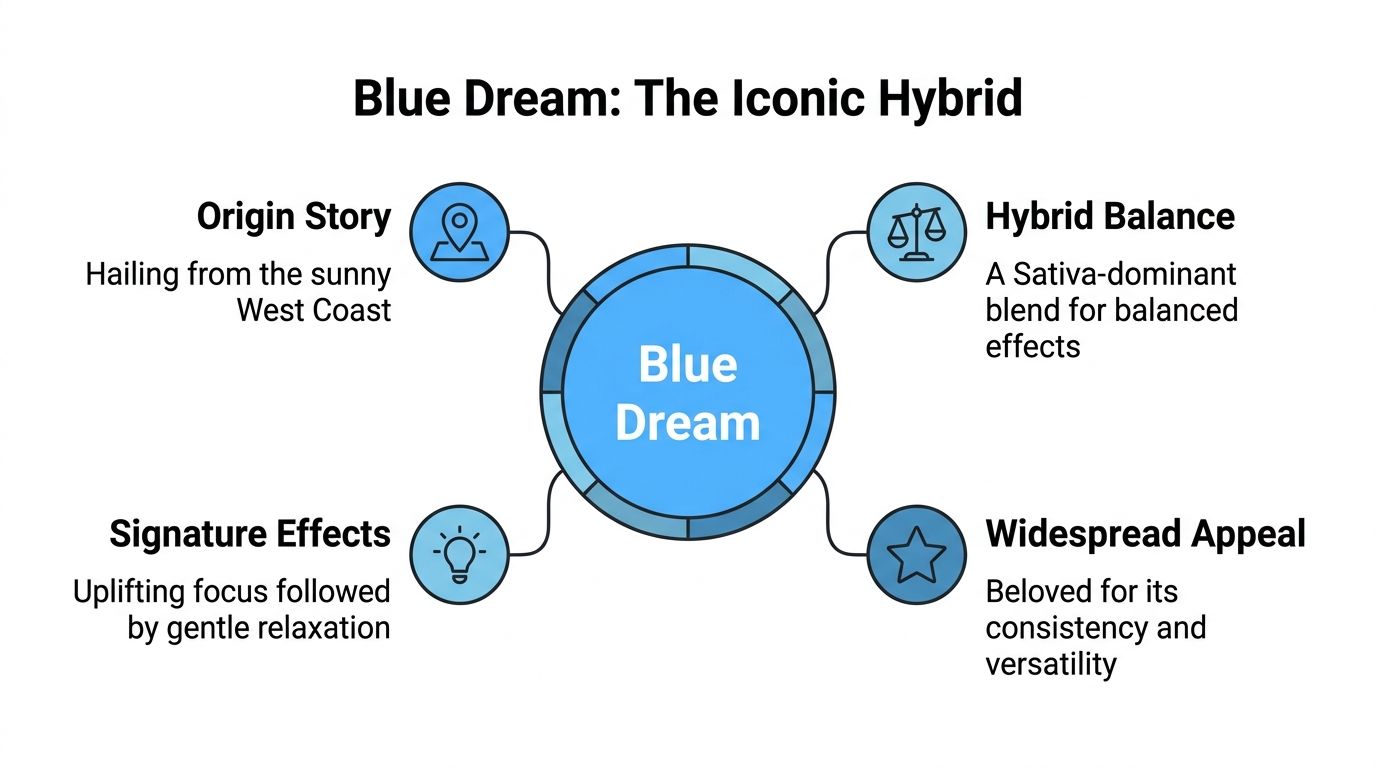
Blue Dream is commonly described as a sativa-dominant hybrid with Blueberry and Haze in its lineage. Depending on the grower and product maker, you may also see small differences in how it is labeled. That is normal in cannabis. Strain names are a bit like family recipes. The core idea stays familiar, but the final result can vary slightly from one producer to another.
That point matters more than it may seem.
A shopper might assume every Blue Dream cart will feel identical. In practice, the strain name gives you a starting expectation, not a guarantee. The genetics suggest a certain direction, but the oil inside the cartridge, the terpene profile, and the cannabinoid format all influence the final experience.
Why Blue Dream became a staple
Blue Dream stayed popular because it earned trust across different kinds of consumers. Newer users often recognize the name because it has a reputation for balance. More experienced shoppers keep coming back because it is familiar, flavorful, and usually flexible enough for more than one setting.
You will also notice that Blue Dream gets described in slightly different ways across menus. One brand may emphasize “sativa-dominant hybrid.” Another may focus on berry sweetness or a clear-headed feel. Neither description is automatically wrong. Cannabis labeling often compresses a lot of plant chemistry into one short product title, which is why learning the basics helps. If you want a clearer read on how strain categories work, this guide to understanding the different strains of cannabis breaks it down in plain language.
Why that matters for carts
A Blue Dream cart is not merely a famous name printed on hardware. It is a modern product trying to recreate, interpret, or reference a classic strain profile. That distinction clears up a lot of common confusion.
For example, one cart may use standard THC distillate with added Blue Dream terpenes. Another may be live resin made from flower selected for a Blue Dream-like profile. A third may use hemp-derived cannabinoids such as Delta-8 or THCa and still borrow the same strain name. Those products can share branding while producing noticeably different results.
That is why Strong Strains encourages shoppers to read past the front label. The better question is not only “Is this Blue Dream?” It is “What kind of Blue Dream cart is this, what cannabinoids does it contain, and was it lab tested?”
Blue Dream remains a strong starting point because the strain itself is so recognizable. Sweet berry notes, a brighter mental tone, and a balanced reputation make it one of the easiest names for adults to understand before they learn the finer details of carts. Once you know that the strain name is the starting line, not the whole story, choosing the right cart gets much easier.
The Blue Dream Experience Effects and Terpene Profile
A lot of adults walk into the shop looking for one simple thing. They want a cart that feels upbeat without feeling racy, and relaxing without knocking them flat. That sweet spot is a big part of why Blue Dream has stayed popular for so long.
Its reputation usually centers on a balanced experience. People often describe a lighter, more active headspace paired with gentle body comfort. In plain terms, Blue Dream tends to appeal to someone who still wants to talk, create, run errands, or enjoy the evening without feeling stuck to the couch.

A lot of that character comes from terpenes. Cannabinoids set the strength and type of intoxication. Terpenes shape the aroma and can influence how the overall experience feels. A simple way to read it is this. Cannabinoids are the power source, while terpenes help direct the tone.
Blue Dream is commonly associated with three terpenes shoppers notice quickly:
- Myrcene, which often brings an earthy, slightly musky base note and can soften the edges
- Pinene, which adds a pine or fresh herbal quality that many people associate with a brighter feel
- Caryophyllene, which contributes a peppery or spicy note and gives the profile more depth
That mix helps explain why Blue Dream often feels balanced instead of one-note. Myrcene can keep the profile from feeling too sharp. Pinene can keep it from feeling sleepy. Caryophyllene rounds things out, especially in carts that preserve more of the strain character.
What that usually feels like in a cart
In cartridge form, Blue Dream often shows up through a combination of flavor, aroma, and pacing. You may notice a berry-leaning inhale, a piney or herbal lift, and a smoother earthy finish. If that sounds oddly specific, it should. A strain-name cart is trying to recreate a recognizable profile, not just deliver THC.
Here is a quick way to read those cues:
| What you notice | What it can suggest |
|---|---|
| Sweet berry aroma | A Blueberry-like flavor influence |
| Pine or fresh herbal note | A brighter, more alert top note |
| Light earthy finish | A softer, steadier finish |
| Clear head with body ease | The balanced Blue Dream profile many adults expect |
This is also where some confusion starts. Two products can both say Blue Dream and still feel different in use. Distillate with added terpenes, live resin, and hemp-derived formulas built around Delta-8 or THCa can all borrow the same strain name while producing different results. The label gives you a direction. The oil inside determines the actual ride.
That matters if you are choosing between daytime-leaning carts. For a useful comparison, our Pineapple Express cart guide shows how a different terpene profile can push a cart toward a more energetic, less mellow feel.
Why aroma deserves your attention
Smell gives you a real clue about quality and authenticity. If a Blue Dream cart has a flat, generic scent with none of the berry, pine, or layered herbal character people associate with the strain, it is worth slowing down and checking the product details.
At Strong Strains, we tell shoppers to ask two separate questions. Does the cart say Blue Dream on the package? Does the oil smell and taste like a Blue Dream-style profile? Those are different checks, and both matter if you want a cart that matches your expectations.
That is especially helpful with Blue Dream because genetics and cannabinoid types can already confuse the picture. Some carts aim to mirror the classic THC strain experience. Others use THCa, Delta-8, or blended cannabinoids and borrow the same familiar name. Once you understand the expected terpene profile, you have a better way to tell whether the cart in front of you is a faithful version or just Blue Dream in branding only.
How Vape Carts Work a Simple Explainer
A vape cart is a small tank of cannabis oil that attaches to a battery. When you inhale or press the button, the battery powers a heating element inside the cartridge. That heat turns the oil into vapor, and you inhale the vapor.
The easiest way to think about it is this: it’s like a very small, controlled vapor system built for cannabis oil. The cart holds the oil. The battery provides power. The heating element does the actual conversion from oil to vapor.
The three parts that matter
Most carts are simple once you know the parts:
- The cartridge: This holds the oil and mouthpiece.
- The atomizer or heating element: This warms the oil enough to produce vapor.
- The battery: This powers the cartridge.
That’s it. If something goes wrong, the issue is usually one of those three things. Either the cart isn’t making contact with the battery, the battery isn’t charged, or the oil has thickened and isn’t flowing well.
Why carts hit differently than other formats
Carts are popular because they’re discreet, convenient, and easy to dose in small increments. They also tend to feel more immediate than edibles, which is helpful for adults who want more control over the experience.
That convenience can also make it easy to overdo it. A cart doesn’t always feel intense the second you take a puff, so beginners sometimes take another puff too quickly, then another, and end up much higher than intended.
Start with one small puff, then pause. Give yourself time to decide whether you actually want more.
A beginner-friendly dosing rhythm
If you’re new to blue dream carts, keep your first session simple:
- Take a short puff. Don’t try to impress anyone.
- Wait and check in. Ask yourself how your head and body feel.
- Repeat only if needed. You can always add. You can’t subtract.
Some adults use carts like they’d use a dimmer switch, not an on-off switch. One puff before a walk, a movie, or a social hang can be enough. The goal isn’t to “finish” anything. The goal is to find the amount that fits the moment.
A good cart experience should feel intentional. You should know what you’re using, how it works, and why you’re taking the next puff.
Choosing Quality Carts and Ensuring Safety
You walk into a shop, see two Blue Dream carts side by side, and assume they will feel close enough. Then one gives you the classic upbeat Blue Dream vibe you expected, while the other feels flatter, heavier, or just different. That gap usually comes from what is truly inside the cart, not the strain name printed on the box.
That is why smart shopping starts with verification.
Why one Blue Dream cart may not feel like another
Blue Dream has a famous name, but the cart market is not always consistent. Different brands may interpret the strain differently, and some products use the name more as a flavor or effect cue than a precise genetic promise. For example, 3Chi’s Blue Dream Delta-8 disposable product page shows how Blue Dream can appear in a different cannabinoid format than shoppers may expect.
The second point trips people up even more. A Blue Dream cart might contain standard THC, THCa material, Delta-8 THC, or a blended formula built around a certain effect profile. If you skip the label details, shopping gets a little like buying coffee by the cup color instead of checking whether it is decaf, cold brew, or espresso.
That confusion shows up in retail menus too. WholesomeCo’s Blue Dream liquid diamond cart listing is one example of how Blue Dream can appear in a product category that is different from a basic distillate cart. The name stays familiar. The oil type and cannabinoid experience may not.
What to check before you buy
Start with the label, then confirm the paperwork.
- Check the cannabinoid panel. Make sure you know whether the cart is a THC product, a THCa product, a Delta-8 option, or a blend.
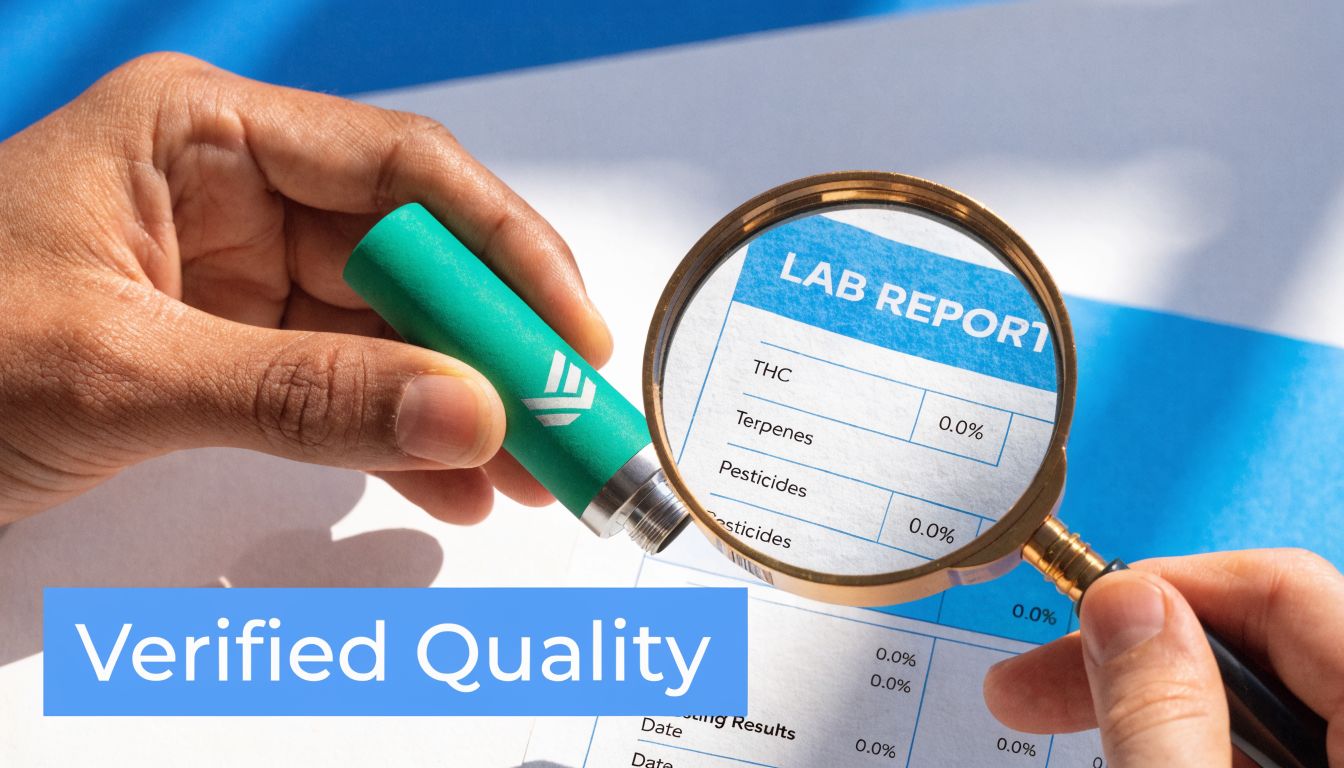
- Ask for the COA. A Certificate of Analysis helps confirm potency and screens for contaminants.
- Read the ingredient list. You want clear cannabis oil labeling and identified terpenes, not vague additives.
- Ask how the shop describes the cart. A good retailer should be able to explain what kind of Blue Dream profile you are buying and why it may differ from another version.
If you want a broader primer before you shop, Strong Strains’ guide to cannabis vapes gives a helpful overview of the basics.
Red flags worth taking seriously
A clean, trustworthy cart usually answers your questions before you have to chase the answers down. If the packaging or retailer leaves too much unexplained, slow down.
| Red flag | Why it matters |
|---|---|
| No lab report available | You cannot verify potency or purity |
| Confusing cannabinoid labeling | The effects may be very different from what you expected |
| Vague strain description | “Blue Dream” may be acting as marketing more than useful product information |
| Unclear ingredient list | It is harder to judge quality and cleanliness |
One more simple filter helps. Look for carts with straightforward formulations and avoid products that seem padded with mystery ingredients or unnecessary additives. Cleaner labeling usually goes hand in hand with a more predictable experience.
The safest cart is usually the one with clear labeling, current lab testing, and staff who can answer basic questions without guessing.
At Strong Strains, that is the standard we want shoppers to use. Blue Dream is a classic strain, but the right cart comes down to what is verified, what is tested, and what matches the experience you want.
Your Guide to Devices and Proper Cartridge Care
Once you’ve picked a cart you trust, the next variable is the device. A good oil can still perform poorly on the wrong battery or with rough handling. Most cartridge problems people blame on the oil are really device or storage issues.
The good news is that the setup is usually straightforward.
Battery basics that make life easier
For Blue Dream distillate carts in the standard 1g size, verified product guidance recommends pairing them with a 400mAh 510-thread battery for consistent performance, according to this Blue Dream distillate cart listing. The same listing notes that this setup is ideal for 1 to 3 second puffs.
That gives you two useful takeaways.
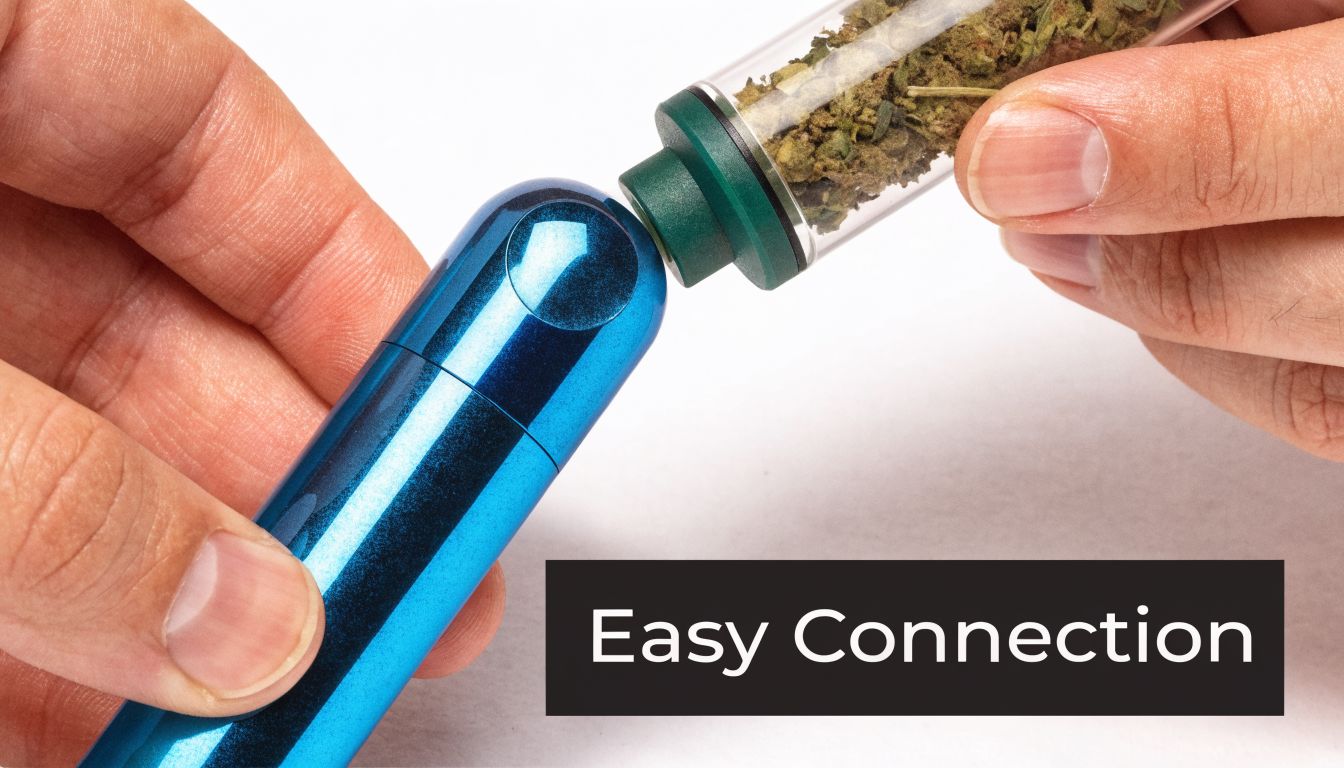
First, 510-thread is the common compatibility standard most shoppers need. If your battery and cart are both 510-thread, they’ll usually work together. Second, a moderate battery setup helps you avoid scorching the oil, which can flatten flavor and make the vapor harsher.
A simple way to use it
If you want the cart to taste better and last longer, keep your technique gentle:
- Use short draws: The verified guidance above points to 1 to 3 second puffs, which is a good range for most adults.
- Don’t chain-hit: Repeated pulls can overheat the oil and clog the cart.
- Let the wick recover: A short pause between puffs helps the cart feed oil properly.
Small puffs usually produce a better experience than huge pulls. You preserve flavor, reduce waste, and keep your dose easier to manage.
The same verified product information notes that higher CBN content above 7% in some batches can enhance relaxation. That helps explain why one cart may feel a little softer or more calming than another, even within the same general strain family.
Storage habits that prevent headaches
Most cart maintenance comes down to three habits:
- Store it upright. This helps reduce leaking and keeps oil where it should be.
- Keep it out of heat and direct sunlight. Heat can thin the oil and degrade the experience.
- Clean the connection points gently. If your battery stops reading the cart, residue at the connection is a common culprit.
If a cart clogs, don’t yank on it like you’re trying to start a lawnmower. Warm it gently in your hands for a bit, keep it upright, and try a softer draw. Most of the time, patience fixes what force makes worse.
Finding Your Blue Dream Cart at Strong Strains
By the time you’re ready to buy, the goal is simple. You want a Blue Dream cart that matches the experience you want, not just a catchy label. That means checking the cannabinoid type, asking how the product was tested, and making sure your battery and dosing style fit the oil.
For some shoppers, that means choosing a classic THC cart for a familiar strain-based experience. For others, it means slowing down and asking a few extra questions before buying anything labeled Blue Dream at all. That’s especially smart if you’ve seen multiple versions on menus and aren’t sure how they differ.
A good shopping conversation usually starts with three questions:
- What kind of experience do you want? More clear-headed and active, or softer and more relaxing?
- What kind of cart is this? Traditional THC, a different cannabinoid category, or a blend?
- Do you want flavor first or maximum potency first? Those goals can point you toward different formulations.
If you’re new, keep it simple. Ask for a lab-tested Blue Dream cart with clear labeling and use a low-pressure approach when you first try it. If you’re experienced, go a step deeper and compare oil types, terpene expression, and how the cart feels on your usual battery.
The best part is that you don’t need to memorize every technical detail. You just need to know what matters: strain identity, cannabinoid category, testing, hardware compatibility, and reasonable dosing. Once those pieces are in place, blue dream carts stop feeling complicated and start feeling dependable.
Adult-use cannabis should feel approachable, not opaque. A good retailer makes that possible by answering questions clearly, showing testing information, and helping you choose a product that fits your routine instead of pushing whatever has the loudest packaging.
If you’re shopping for Strong Strains on Long Island, our team can help you compare Blue Dream options, explain labeling, and match you with a lab-tested cart that fits your goals. Visit us in East Setauket for in-store pickup or ask about local delivery. We’re here to help adults 21+ shop with confidence, use responsibly, and enjoy premium cannabis without the guesswork.