
You know the moment. You twist open your grinder, tap the bottom chamber, and there it is. A soft layer of golden kief you've been saving without a real plan for it.
Most people sprinkle that kief on a bowl and call it a day. That works. But making hash from kief turns that loose powder into something denser, easier to portion, and a lot more intentional. Done well, it feels less like using leftovers and more like finishing a craft project the plant already started for you.
The Art of Transforming Kief into Hash
Kief has always been more than grinder dust. It's the loose collection of trichomes, the resin glands where much of the plant's cannabinoids and terpenes live. Hash is what happens when you take that fragile powder and persuade it to bind together through pressure, warmth, and patience.
According to Mood's overview of kief and hash, hash production from kief traces its roots to ancient dry-sift methods originating in Morocco around the 12th century. That history still matters because the core idea hasn't changed. Separate the resin, then compress it into a form that stores better and handles better.
Why people press kief in the first place
Loose kief is powerful, but it's messy. It scatters, sticks to tools, and burns fast if you dump it onto flower. Pressed hash solves that.
A compact piece of hash is easier to break off, easier to store, and usually more satisfying to work with in small doses. That matters if you want control instead of a random heavy hit from a pile of powder.
Practical rule: Pressing isn't just about changing the shape. It changes how the material behaves in your hand, in your jar, and in your session.
Mood also notes that kief typically tests at 50 to 70% THC, and that a single rice-grain-sized piece of pressed hash can deliver more THC than a larger pinch of loose kief because the resin is packed more tightly in finished hash.
What good hash feels like
Good hash shouldn't feel like burnt crumbs or oily sludge. It should feel cohesive. Depending on your method, it may be soft and pliable, or it may break cleanly into little pieces. Either can be good if the material was kept clean and the heat stayed under control.
That's the part a lot of generic guides skip. Hash quality isn't only about whether the kief fused. It's about whether you preserved what made that kief worth saving in the first place.
If you've ever handled a well-made solventless product from brands like American Hash Makers, DTF Hash Co., or Moonlit Hash Co., you already know the benchmark. The aroma is fuller, the texture looks deliberate, and the product feels clean rather than dusty. Home pressing won't always match a professional setup, but it can absolutely teach you what good resin wants and what it hates.
Gathering Your Tools for Pressing Hash
Start with your surface before you start with your kief. A cluttered kitchen counter, a damp rolling tray, or a sticky tool from a prior session will ruin the process faster than people expect.
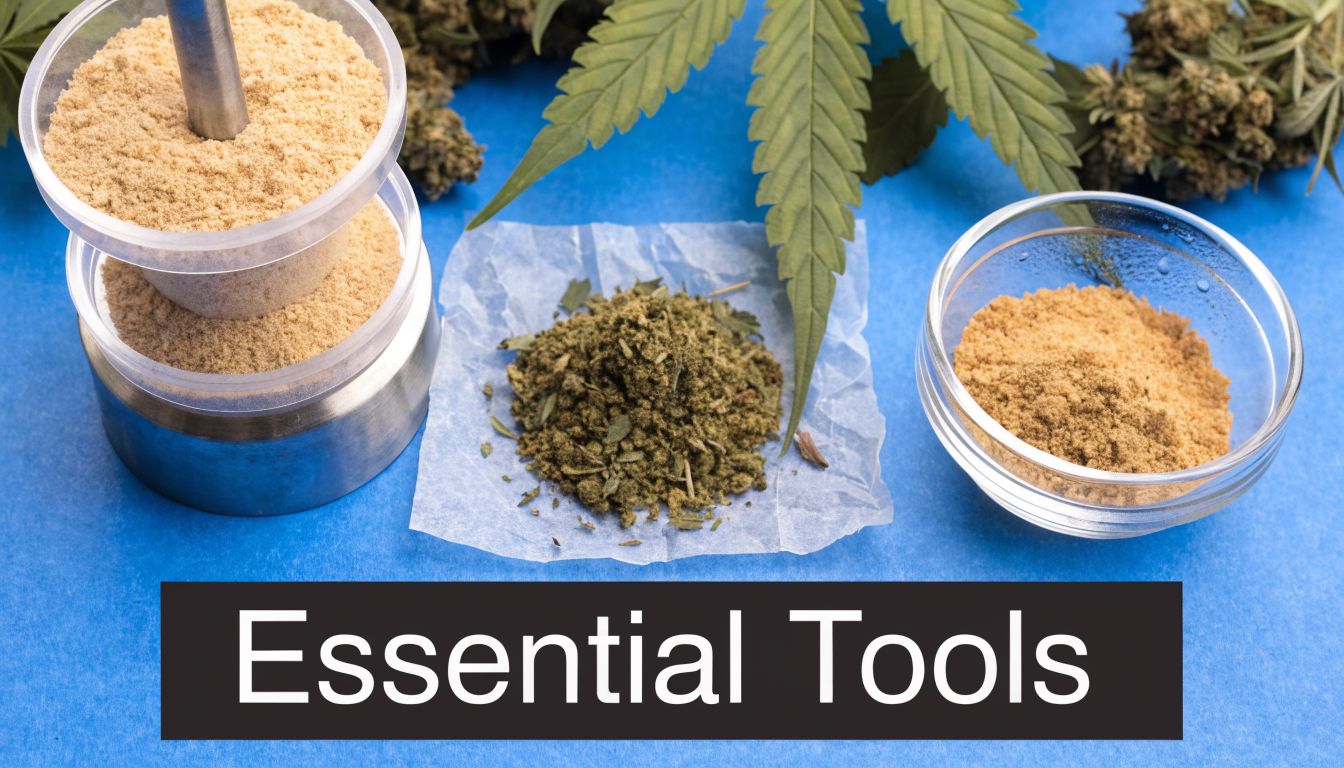
The universal basics
No matter which pressing method you use, a few items matter every time:
- Clean kief. The less stray plant matter, the better your texture and burn.
- Parchment paper. This keeps resin from sticking to tools and gives you a clean workspace.
- A collection tool. A dab tool, small scraper, or even a clean flat metal edge helps gather material without wasting it.
- A smooth, dry work surface. Resin picks up lint and grime fast.
- Storage container. A small glass jar with a reliable seal works better than tossing finished hash back into a random plastic container.
A lot of failed DIY hash starts with dirty material, not bad technique. If your kief looks green and fluffy instead of sandy and resin-heavy, expect a rougher result.
Tools by method
Different tools create different kinds of pressure. That changes the final texture.
- For hand pressing. You need parchment and your hands. Some people also use a small glass jar to help compact the material after warming it.
- For a hair straightener press. Use parchment and a straightener with controllable low heat. Cheap tools with one aggressive heat setting make it harder to stay gentle.
- For a pollen press. You need the press itself and a way to load it neatly. This is the cleanest route if you like uniform pucks or coins.
If you're unsure which setup makes sense for your stash, a good virtual budtender guide from Strong Strains can help you think through whether your material is better saved, smoked as-is, or pressed.
A quick visual helps before you try any method:
Why tool quality matters
You don't need a lab. You do need consistency.
A hair straightener that runs too hot will darken your kief before it has time to fuse properly. A flimsy pollen press won't apply even pressure. Cheap parchment can wrinkle or hold residue. None of these problems sound dramatic, but they all show up in the final hash.
Clean inputs make cleaner hash. That includes the resin, the tools, and the surface touching both.
Good prep doesn't feel exciting, but it's what separates a satisfying little hash coin from a sticky mess you regret making.
Three Proven Methods for Pressing Kief
There isn't one best way to press kief. There's a best way for the amount you have, the tools you own, and the texture you want at the end.
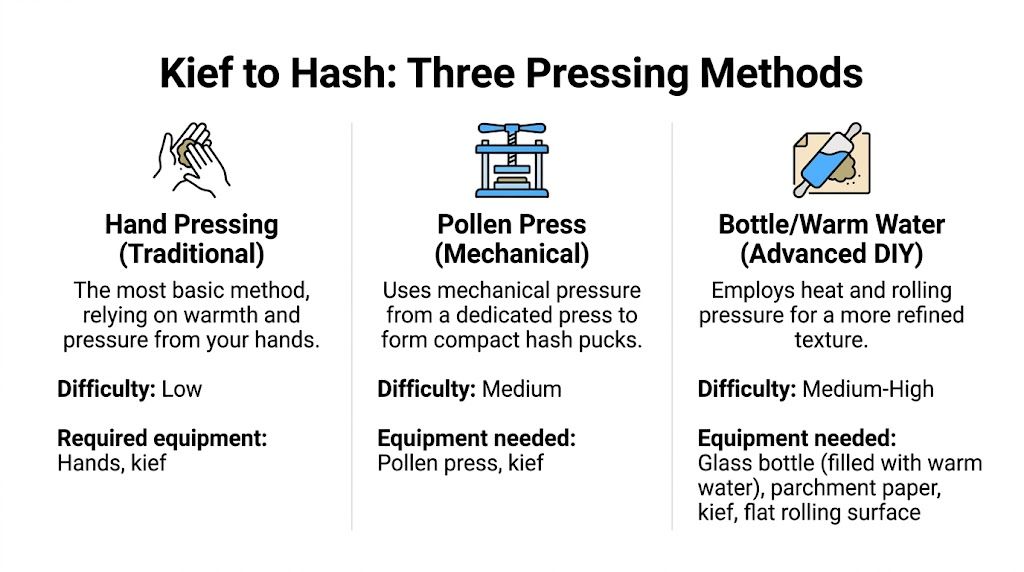
Hand pressing
This is the oldest-feeling method, and for small personal batches it still has value. You wrap the kief in parchment, apply warmth from your hands, and press repeatedly until the material starts to darken slightly and hold together.
Why it works: trichomes become more cooperative when warmed gently. Hand pressure won't create the same density as a dedicated tool, but it can coax resin into a compact piece without much gear.
What usually goes right:
- You keep close control over the material.
- You're less likely to scorch it.
- It works well for a small stash you've saved in a grinder.
What usually goes wrong:
- People rush it.
- People start with kief that has too much plant material.
- People mistake “harder” for “better” and overwork the piece before it's ready.
A good hand-pressed piece often feels a bit rustic. That isn't failure. It's just a lighter level of compression.
Hair straightener pressing
This is the most popular home method because it adds low heat without requiring a specialized press. According to Perfect Union's pressing guide, successful kief-to-hash conversion works best between 160 and 180°F, and temperatures under 200°F produce superior results, including “blonde hash that breaks cleanly”, while higher temperatures create “darker, stickier hash that's harder to handle.”
The practical version is simple. Fold a small amount of kief into parchment, use the lowest heat setting you can control, then press briefly and check the result. If the material is crumbly, give it more time or another gentle pass before adding more heat.
Low and slow wins here. If the first press looks underdone, extend pressure before raising temperature.
Why this method works so well: you get enough warmth to help the resin heads fuse, but you can still stop and inspect after short intervals. That gives beginners a margin for error.
What usually goes wrong:
- The straightener is hotter than advertised.
- The parchment packet is too loose, so kief spreads instead of compresses.
- The user chases a darker color, thinking darker means stronger.
It usually doesn't. Darker often means overheated.
Pollen press
A pollen press creates the cleanest shapes. If you want dense little pucks that store neatly and break off in controlled pieces, this is the most orderly option.
Load the chamber carefully, tighten or compress according to the tool's design, and give it time. Some people add a little warmth before or during the process, but the main advantage is steady mechanical force rather than hand fatigue.
Why it works: even pressure creates uniform density. That helps the finished piece feel deliberate instead of improvised.
What usually goes wrong:
- Overfilling the chamber.
- Using dry, contaminated, or fluffy kief that doesn't want to bond.
- Expecting the tool to fix bad starting material.
A press can shape weak kief. It can't turn weak kief into premium hash.
Warm bottle method
This method sits between hand pressing and a dedicated hot press. You fill a glass bottle with warm water, place the kief inside folded parchment, then roll and compress it on a flat surface.
It gives you broader, more even pressure than fingers alone. It also helps people who want a more tactile DIY method without clamping hot plates onto their material.
What works about it:
- You can feel the resin changing under the bottle.
- Pressure spreads more evenly across the packet.
- It often creates a smoother, more finished texture than pure hand pressing.
What doesn't work:
- Water that's too hot.
- Thin parchment that shifts or tears.
- Pressing on an uneven surface.
Kief Pressing Method Comparison
| Method | Difficulty | Tools Required | Best For |
|---|---|---|---|
| Hand pressing | Low | Hands, parchment paper, clean surface | Small personal batches and first attempts |
| Hair straightener pressing | Medium | Hair straightener, parchment paper, collection tool | Faster fusion and more cohesive pieces |
| Pollen press | Medium | Pollen press, clean kief, parchment for transfer | Uniform pucks and tidy storage |
| Warm bottle method | Medium-High | Glass bottle with warm water, parchment, flat surface | DIY refinement without specialized press |
The best method is the one you can control. If your heat fluctuates wildly or your pressure is inconsistent, the simpler option usually gives the better result.
Optimizing Yield Potency and Flavor
The biggest quality jump doesn't come from buying a fancier tool. It comes from starting with better kief.
According to Cannavine's guide to using kief, flower commonly ranges from 15 to 25% THC, while kief from the same plant can reach 40 to 60% THC or higher. That's why making hash from kief can feel like such a serious jump from ordinary flower use. You're starting with a more concentrated material before the pressing even begins.
Start with cleaner resin
If the kief is loaded with tiny bits of leaf, stems, or random debris from a grinder that hasn't been cleaned in ages, the hash will tell on you. It may press together, but it won't feel as smooth or burn as clean.
Brands known for resin-rich flower, like Alien Labs, Connected, Hudson Cannabis, Rythm, or Matter, often produce more satisfying kief because the starting flower is richer and cleaner. That doesn't guarantee top-tier home hash, but it gives you a better foundation.
What pressing changes
Pressing doesn't magically create cannabinoids out of nowhere. It changes structure.
Cannavine notes that the process ruptures trichome membranes to create a dense concentrate where pure plant matter is minimized, leading to a cleaner burn. This is the primary benefit. Better handling, better consistency, and a more focused expression of the resin you already had.
If your finished hash tastes flat, the problem usually started before the press. Heat can ruin flavor, but weak or dirty kief gives you less to preserve in the first place.
Troubleshooting common problems
A lot of home results fall into three problem buckets:
Too crumbly
Usually means the resin didn't get enough time under pressure, or the kief was too dry and loose to bond well. Try another gentle press before you increase heat.Too dark
This usually points to excess heat. Once you cook the material, you can't un-cook it. Back off temperature and aim for a slower fusion.Sticky and hard to portion
Again, often a heat issue. Overheated resin gets messy fast.Weak aroma
That can come from tired starting material, overly aggressive heating, or poor storage after pressing.
Good hash rewards restraint. Beginners often think they need more force, more time, more heat. Most of the time they just need cleaner kief and better patience.
Properly Curing Storing and Dosing Your Hash
Freshly pressed hash is usable right away, but it often settles into itself better after a short rest. Even when the texture looks finished, the surface and core may still feel slightly different for a bit.
Let it rest before you judge it
Give your hash a little time in parchment or in a clean glass jar before breaking into it constantly. That short resting period can help the piece feel more unified and easier to handle.
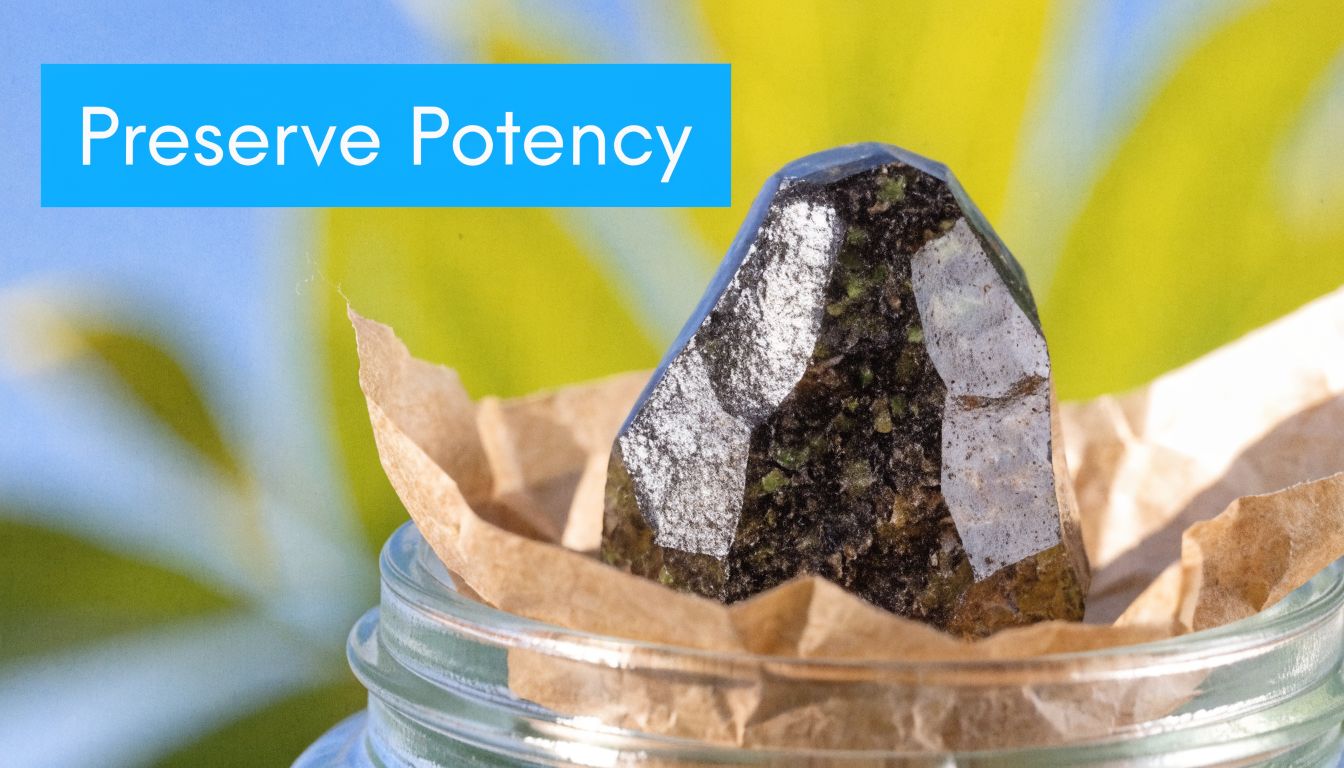
Storage matters more than people think. Keep it away from heat, direct light, and repeated air exposure. A small glass jar with a tight seal works well. Parchment helps prevent sticking if the piece is soft.
Dosing without overdoing it
Hash asks for respect. If you normally consume flower comfortably, don't assume your usual bowl logic applies here. Small pieces can hit harder than they look.
Start low and go slow. A rice-grain-sized amount is a smarter first test than carving off a chunk because it “doesn't look like much.”
That advice matters even more if you're exploring other concentrated formats too. If you want a point of comparison for measured cannabis use, this guide to a 1000 mg THC tincture gives useful context on why precise dosing matters.
A simple post-press routine
- Cool it first. Don't handle warm hash more than necessary.
- Jar it cleanly. Use glass, not a random pocket container.
- Portion lightly. Break off small amounts instead of crushing the whole piece.
- Track your response. If you're new to hash, note how much you used and how it felt.
A little discipline here keeps good hash good.
Safety Legal Compliance and Local Long Island Resources
DIY hash can be a fun project. It can also give people a false sense of security because the process looks simple.
The part many guides skip is contamination risk. According to this discussion of DIY hash risks and New York rules, legal and safety risks of DIY hash-making are rarely addressed, and in New York adult-use laws prohibit unlicensed production for sale and require strict lab testing for retail products. The same source also notes that unsterilized home tools can introduce contaminants, and cites New York Department of Health lab reports showing 15% of untested concentrates fail microbial tests.
What that means in practice
If you're pressing at home for personal education, cleanliness matters. A reused tool, damp parchment, dirty grinder chamber, or poorly stored kief can compromise the result even if the hash looks fine.
For adults on Long Island, the legal line matters too. Personal curiosity is one thing. Unlicensed production for sale is another.
If you like understanding the broader compliance environment around hemp and cannabis movement, it also helps to compare Delta-8 and Delta-9 THC restrictions so you can see how quickly rules diverge by product type and jurisdiction.
When store-bought is the smarter move
There's no shame in deciding the project was interesting but not worth the uncertainty. Professionally made concentrates offer consistency, verified testing, and fewer unknowns than a home setup can promise.
That's especially true for new consumers, people with lower tolerance, or anyone who wants predictable potency and cleaner handling. If you're exploring options for the season, this roundup of the best cannabis products in Long Island for summer 2025 is a useful starting point for thinking beyond flower alone.
If you do try making hash from kief, keep it small, keep it clean, and keep your expectations realistic. Home pressing can teach you a lot about resin quality. It shouldn't replace common sense, safe handling, or respect for New York's rules.
If you'd rather skip the guesswork and shop lab-tested cannabis with guidance from people who know the difference between a fun DIY experiment and a product you can trust, visit Strong Strains. We're at 19 Technology Drive in East Setauket, serving Long Island with premium flower, concentrates, edibles, vapes, tinctures, accessories, in-store pickup, and local delivery for adults 21+.