
You’re standing at the edible shelf, reading package after package, and they all start to blur together. Some say fruit chews. Some say full-spectrum. Some say vegan. Some list cannabinoids you’ve never heard of. If you already eat plant-based, or you just prefer cleaner ingredient lists, it’s easy to wonder whether vegan thc gummies are different or if “vegan” is just marketing.
They are different. Not because they’re weaker or stronger, but because the ingredients, texture, and manufacturing details change what kind of product ends up in your hand. For a lot of shoppers, that matters as much as the THC number.
The bigger question isn’t just “Are these vegan?” It’s “Are these well-made, clearly labeled, and a good fit for me?” That’s where people usually get stuck. A gummy can sound great on the front of the pouch and still leave you confused about dose, onset, cannabinoids, or quality testing.
This guide is built to clear that up in plain language. You’ll learn what makes a gummy vegan, how to dose carefully, how to read labels and lab reports without needing a chemistry degree, and why issues like allergens and drug testing deserve more attention than they usually get.
Welcome to the World of Vegan THC Gummies
You’re at the dispensary counter, trying to choose a gummy that matches how you already shop and eat. You want something smoke-free, plant-based, and simple to understand. Then important questions start. Is the dose clear? Is the label honest? Can you trust what’s inside the pouch?
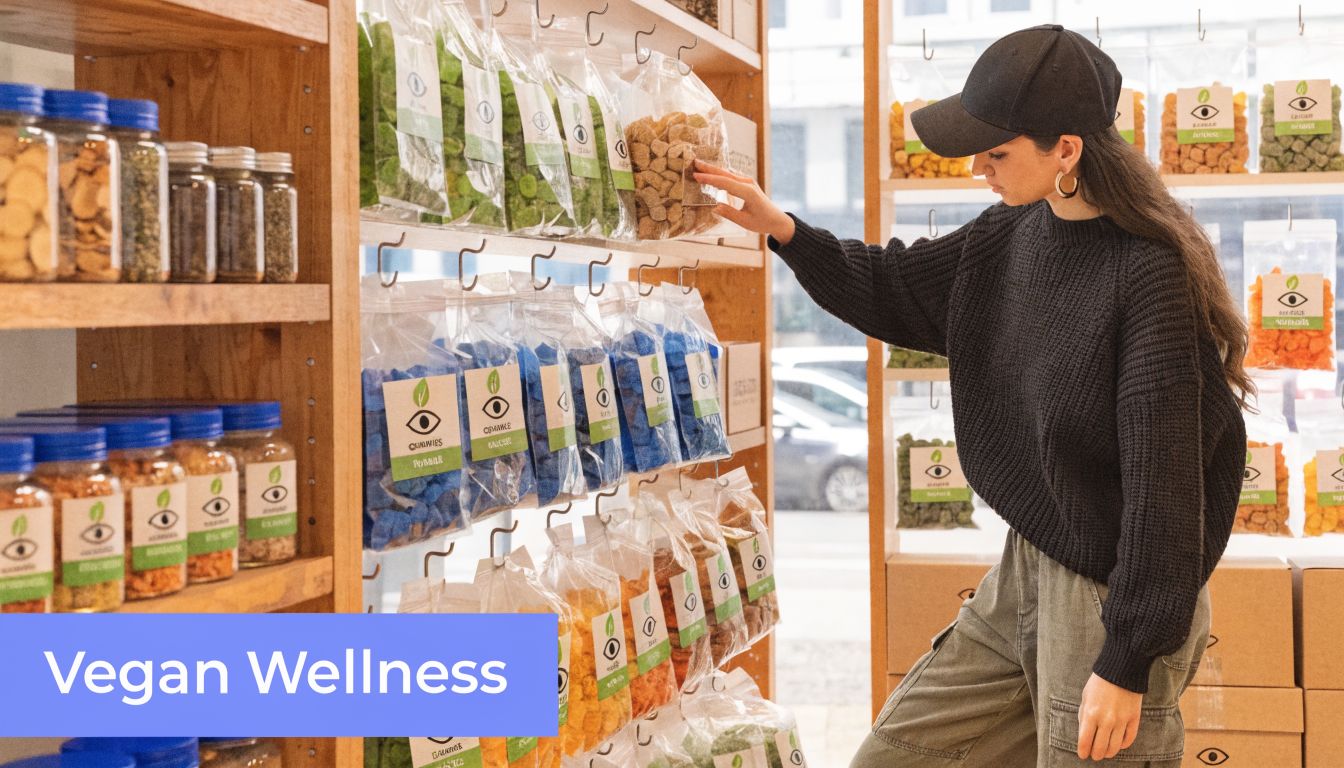
That’s why vegan THC gummies appeal to so many adults. They offer a familiar edible format with measured servings, no smoke, and easy storage. For someone who wants a predictable starting point, that matters a lot more than flashy flavor names on the front of the bag.
The vegan part adds a second filter. It helps shoppers rule out animal-derived ingredients, but it should also prompt a smarter question. Is this product carefully made and clearly verified? A gummy can be vegan and still fall short on labeling, testing, or dose consistency.
That distinction matters.
Some shoppers come in looking for a plant-based option because it fits their diet. Others prefer ingredient lists that feel closer to the rest of their pantry. Either way, “vegan” tells you something useful about formulation, but it does not tell you everything you need to know about quality or safety.
A well-made gummy works like a recipe card with every step shown. You should be able to see the serving size, the THC per piece, the cannabinoid profile, and whether an independent lab checked the batch. If any of that is missing, the word “vegan” should not do the heavy lifting for the brand.
Why shoppers gravitate toward them
Vegan gummies often feel approachable because they combine familiar candy-like form with a more ingredient-conscious style. Some brands also build formulas around more than THC alone, which can catch a customer’s eye when they see CBD or minor cannabinoids listed beside it.
That variety is helpful, but it can also confuse first-time buyers. Two vegan gummies can look almost identical and produce very different experiences based on dose, cannabinoid mix, and how carefully the product was tested. Shopping by package color alone is a little like buying coffee by the mug design instead of checking whether it’s decaf or espresso.
What first-time buyers usually want to know
First-time buyers often ask some version of these questions:
Will it feel different because it’s vegan
Usually, no. The plant-based ingredients affect the gummy base itself. The THC dose, cannabinoid blend, and your tolerance shape the experience more directly.Is it easier on the stomach
For some adults, yes, especially if they avoid certain animal-derived ingredients. You still need to read the full ingredient list for sweeteners, flavorings, and allergen details.Is the dose reliable
It can be, but reliability comes from careful manufacturing and batch testing. The label tells you the plan. The lab report helps confirm the product followed it.Could it affect a drug test
Yes. Vegan gummies with THC can still trigger a positive drug test, even when the branding sounds mild or wellness-focused. That risk gets overlooked far too often.
A good vegan gummy should do more than match your diet. It should give you enough clear information that you feel confident before your first bite, not uncertain after it.
What Exactly Makes a THC Gummy Vegan
The short answer is this. A THC gummy is vegan when it avoids animal-derived ingredients and uses plant-based alternatives instead. The most important swap is usually the gelling agent.
Traditional gummies often rely on gelatin, which creates that familiar chewy, bouncy texture. Vegan gummies replace gelatin with pectin or agar-agar. Pectin comes from fruit such as citrus or apples. Agar-agar comes from seaweed.
The ingredient swap that matters most
If you only remember one label-reading tip, remember this one. Look at the ingredient list first, not the front of the package. “Plant-based” language can be vague, but the ingredient panel tells the truth.
Here’s a quick comparison.
| Ingredient Type | Common Non-Vegan Ingredient | Vegan Alternative |
|---|---|---|
| Gelling agent | Gelatin | Pectin |
| Gelling agent | Gelatin | Agar-agar |
| Coating or shine | Beeswax | Plant-based coating |
| Sweetener | Honey | Cane sugar or other plant-based sweetener |
| Coloring | Carmine | Fruit- or plant-based color sources |
A gummy doesn’t become vegan just because the main gelling base is plant-derived. You still want to scan for other animal-derived ingredients that can appear in smaller amounts.
Why pectin and agar aren’t just substitutes
This part sounds technical, but it’s easy once you picture it. Gelatin and pectin don’t set up the same way. Gelatin forms a protein-based structure. Pectin forms a calcium-pectin gel network, and that means the cooking and infusion process has to be managed carefully. According to CBDx’s explanation of vegan THC gummy formulation, pectin requires precise temperature control during infusion, and lecithin emulsifiers are critical so THC-laden oils don’t separate from the rest of the mixture.
That matters because THC starts in oil, not water. If the oil separates, some gummies can end up stronger and some weaker. This is comparable to stirring chocolate syrup into milk. If you don’t mix it well, the flavor sits unevenly in the glass. In gummies, uneven mixing means uneven dosing.
Practical rule: A vegan gummy should do two jobs well. It should avoid animal ingredients, and it should keep cannabinoids distributed evenly from one piece to the next.
What that means for you as a shopper
You don’t need to master food science. You just need to know what good production looks like on the shelf.
A solid vegan gummy should give you:
A clear gelling agent
Pectin or agar-agar should be easy to spot in the ingredient list.A straightforward potency statement
You should be able to tell how much THC is in each gummy, not just the whole package.Evidence of a professional process
Lab-tested products are the safest way to avoid guessing whether the cannabinoids were blended evenly.
The easiest mistake is treating “vegan” as the final quality check. It isn’t. It’s one filter. A product can be vegan and still be poorly made. The best approach is to pair ingredient awareness with dosing awareness and lab-report awareness.
Dosing Vegan Edibles for a Perfect Experience
You get home from the dispensary, eat one gummy, wait a while, and feel nothing. An hour later, it is tempting to take another. That decision causes a lot of rough edible experiences.
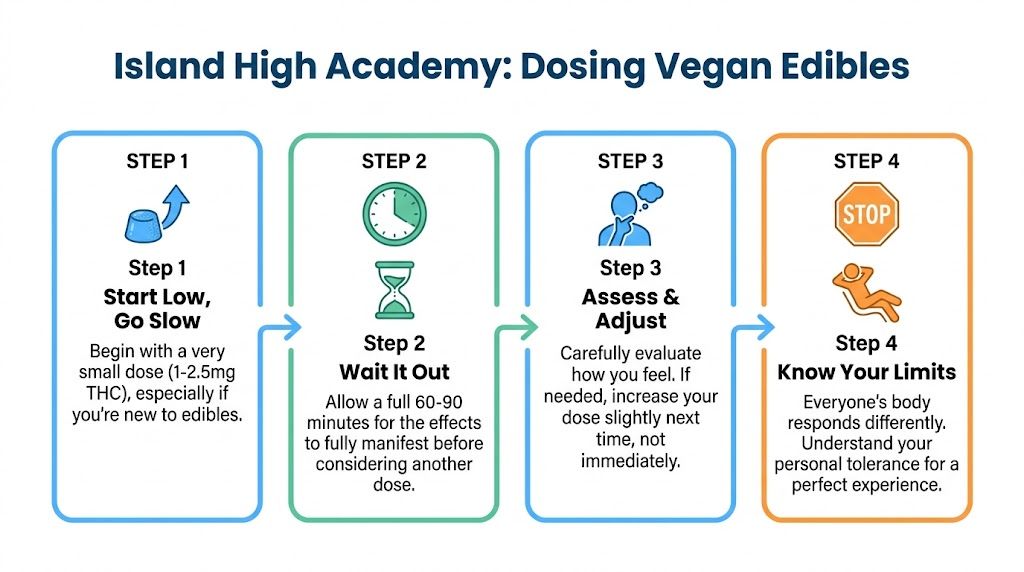
Dosing is where a gummy session gets comfortable or goes sideways. Vegan THC gummies follow the same basic rule as other edibles. They take time to come on, build slowly, and can feel stronger than expected once they fully settle in. The safest starting point is simple. Start low and go slow.
Start with a dose that teaches you something
Your first dose should be small enough to read your body clearly. You are gathering information, not chasing the biggest effect possible.
A practical starting range looks like this:
Brand new to edibles
Begin around 2.5mg to 5mg THC.Some edible experience
5mg to 10mg may be appropriate if you already know how THC tends to affect you.Experienced consumers
Some people choose 10mg to 20mg, but delayed onset still matters at this level.
If a gummy contains more THC than your target dose, be careful with splitting. Some products are scored for easier portioning. Others are not. If the piece is not designed to divide evenly, each half may not deliver the same amount. That matters because consistency is the whole point of dosing carefully.
Time changes the experience
The biggest mistake is judging the gummy too early.
Edibles usually move through three stages. First comes the quiet period, where you may feel little or nothing. Then the effects build. Then the peak arrives. For many shoppers, the peak can take a few hours. That delay is why re-dosing too soon creates trouble.
A simple rule helps. Wait before deciding the first dose was too small.
If you want finer control than a gummy can offer, some Long Island customers compare edibles with tinctures before choosing a format. This guide to THC tincture 1000 mg explains why measured drops can feel easier to adjust than fixed-dose pieces.
Pick a setting that makes dosing easier
Your environment shapes the experience more than many first-time shoppers expect. A calm evening at home gives you a much clearer read than a loud party, an empty stomach, or a schedule packed with errands.
Keep the first session boring in the best possible way. Eat your planned dose. Wait. Drink water. Put on something familiar. Skip the urge to mix variables, especially if you are still learning how this specific gummy hits.
That same label-reading habit you use for groceries can help here too. Skout Organic has a helpful guide on how to read food labels, and the same mindset applies to cannabis products. Read the package before you dose, not after.
A beginner-friendly routine
This approach keeps things simple and repeatable:
- Choose one product and stick with one dose
- Take it on a night with no big plans
- Wait long enough before considering more
- Write down the dose, time, and how it felt
- Adjust next time, not mid-session
That last point matters. A better edible experience usually comes from small changes across separate sessions, not from chasing the feeling in real time.
One more thing deserves a straight answer. Even careful dosing does not remove drug testing risk. THC from gummies can still show up on a test, including products that look wellness-focused or use clean vegan ingredients. Vegan tells you about the formula. It does not tell you anything about test safety.
How to Read Gummy Labels and Lab Reports
A good gummy label should answer basic questions quickly. How much THC is in each piece. How much is in the whole package. What other cannabinoids are included. What ingredients were used. If a package hides those answers behind vague language, treat that as a warning sign.
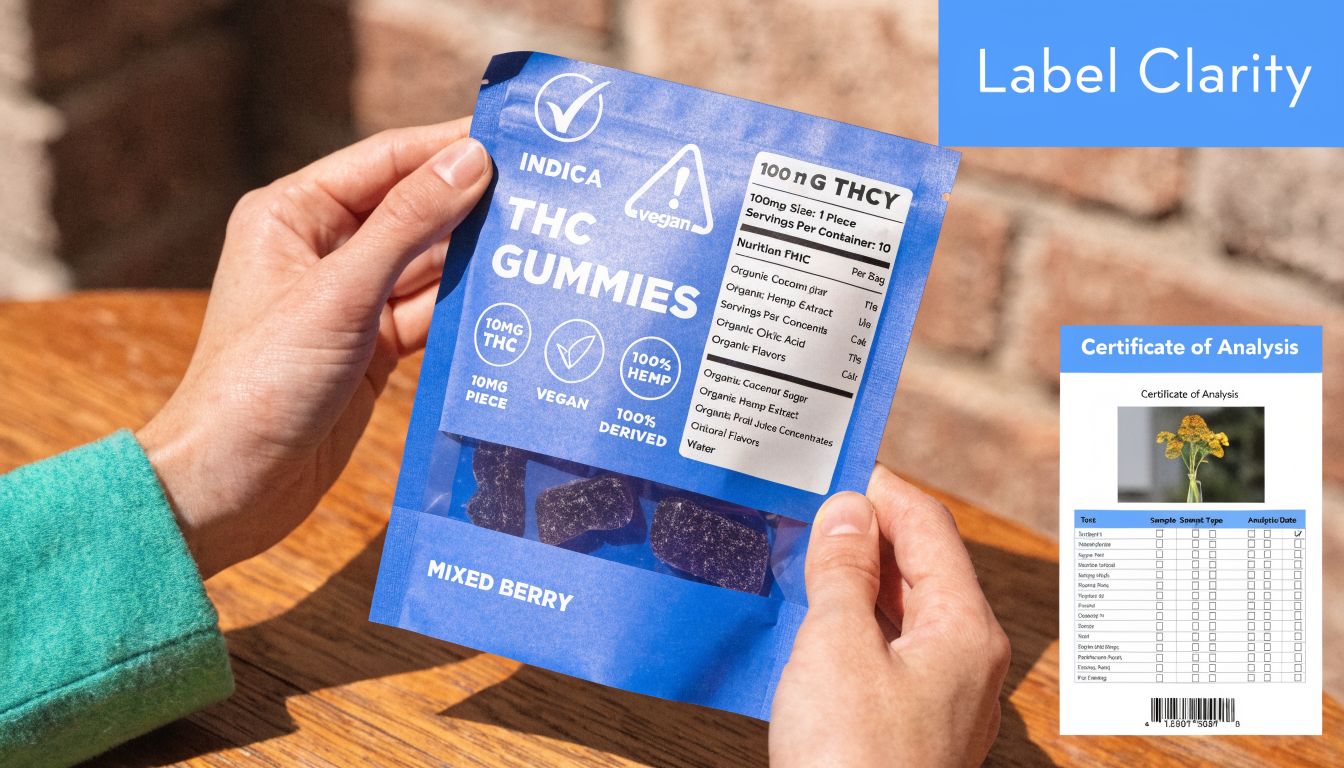
A lot of shoppers already know how to scan nutrition panels and ingredient decks on food products. The same habit helps here. If you want a refresher on basic package-reading skills, Skout Organic has a useful guide on how to read food labels. Cannabis labels add a few extra layers, but the mindset is similar. Read past the front of the bag.
Start with the front panel, then verify
The front panel is a shortcut, not the full story. It might say “vegan,” “sleep,” or “full-spectrum.” Helpful terms, but they need support elsewhere on the package.
Here’s what to look for first:
Per-gummy potency
This is the number that matters most for dosing.Total package potency
Useful, but less important than the amount in each piece.Cannabinoid profile
Some gummies include more than THC alone.Ingredient list
This confirms whether the gummy is vegan and alerts you to possible allergens.
What “full-spectrum” means in plain English
Some premium vegan gummies use full-spectrum extracts, which means the product includes multiple cannabinoids rather than THC alone. According to So We Eden’s guide to vegan cannabinoid gummies, some formulations combine 5mg THC with 5mg CBN for sleep-oriented products, and plant-based gummies have the same onset profile as gelatin edibles, with 2+ hours recommended before re-dosing because cannabinoids are processed through hepatic first-pass metabolism.
That can sound abstract, so here’s the simple version. Full-spectrum is like listening to a band instead of a solo instrument. THC may still lead, but other cannabinoids can shape the overall feel.
A label that includes THC, CBD, CBN, CBDA, or CBGA gives you more context than a label that only says “cannabis gummy.”
How to approach a COA without getting overwhelmed
A Certificate of Analysis, usually called a COA, is the third-party lab report for the product. Think of it as the receipt for the brand’s claims. The package says what should be inside. The COA shows what the lab found.
When you pull up a COA, focus on three areas first:
Potency section
This tells you how much THC and other cannabinoids the lab measured. You want this section to line up with the label in a way that makes sense.
Look for:
- THC per gummy or serving
- Other cannabinoids listed on the package
- A match between the batch on the product and the batch on the report
Safety screening
Often, shoppers stop reading too early. Potency matters, but clean product matters too. A trustworthy report should also address contaminants the product was screened for.
Check whether the COA includes areas for:
- Pesticides
- Heavy metals
- Residual solvents
Batch details
The COA should feel tied to your actual product, not like a generic report floating around online.
You want to see:
- A lot or batch identifier
- A product name that matches what you bought
- A recent report tied to that product
This quick video can help make those sections easier to recognize when you’re staring at a lab sheet for the first time.
A fast label-reading checklist
When you’re holding a pouch in one hand and your phone in the other, keep it simple.
| Check | Why it matters |
|---|---|
| Per-gummy THC | Helps you dose accurately |
| Full ingredient list | Confirms vegan status and possible allergens |
| Added cannabinoids | Helps you understand the intended effect profile |
| COA access | Lets you verify potency and safety |
| Matching batch info | Confirms the report belongs to that product |
A clean label sells the idea. A clean COA backs it up.
Once you get comfortable reading these details, you stop shopping by packaging alone. That’s when your choices get a lot smarter.
Safety Guidance and Allergen Awareness
Vegan doesn’t automatically mean risk-free. It only tells you the product avoids animal-derived ingredients. It doesn’t guarantee the gummy is free from soy, gluten, nuts, or shared-facility exposure.
That’s why the ingredient list still matters after you’ve confirmed the gummy is vegan. Some shoppers see “vegan” and mentally file the product under “safe for me.” That shortcut can backfire if you have a specific sensitivity or allergy.
The allergen check most people rush past
Take an extra moment with labels that include flavor systems, color sources, or emulsifiers. Also check for facility statements. A product can be plant-based and still be made in a facility that handles allergens important to you.
Watch for:
Soy-based ingredients
Lecithin is often useful in gummy production, but you still want to know its source if that matters for your diet.Gluten concerns
The gummy itself may not contain gluten ingredients, but shared processing can still matter.Nut or cross-contact statements
These usually appear near the ingredient panel or warning text.
Drug testing is the risk many adults underestimate
This deserves a direct answer. If you’re subject to workplace screening, court monitoring, athletic testing, or any other formal drug testing, THC gummies can put you at risk of a positive result.
According to this report on a July 2025 drug test case involving “THC-free” gummies, a woman failed a drug test after using gummies labeled as THC-free. The broader point is the one consumers need to hear clearly. Even full-spectrum products with less than 0.3% THC can lead to metabolite accumulation and a positive result.
That matters for professionals who assume a low-THC or hemp-derived product is automatically “safe” for testing purposes. It may not be.
If passing a drug test matters to your job or license, the safest assumption is simple. Any THC product can create testing risk.
The honest decision framework
If you’re weighing whether to try vegan thc gummies, ask yourself these questions before you buy:
- Do I have any ingredient sensitivities I need to verify first
- Am I under any kind of drug testing policy
- Am I choosing this for wellness reasons, recreation, or both
- Do I understand the dose and timeline
If you want plain-language answers to common shopping and use questions, a dispensary’s cannabis FAQs page can help you sort out the basics before making a decision.
A lot of trust in cannabis retail comes from what people are willing to say out loud. The best advice isn’t always “yes, buy it.” Sometimes it’s “not if you’re getting tested next week.”
Buying and Storing Your Vegan Gummies
You find a vegan gummy that looks great, the flavor sounds right, and the jar has clean branding. Then the main shopping question starts. Can you verify what is in it, and can you trust the place selling it?
That is the difference between buying a gummy and buying with confidence.
A polished package does not prove much on its own. For edibles, the safer path is simple. Buy from licensed retailers that can show you the label details, explain the batch testing, and answer basic product questions without getting vague. If a shop cannot help you confirm those points, treat that like a yellow light.
Questions worth asking before you buy
A good buying conversation should feel clear, not awkward. You are not being difficult. You are checking the same basics you would check before buying anything you plan to eat and feel.
Start with these:
Can I see the lab report for this batch
The COA works like a receipt plus an inspection record. It helps confirm potency and shows whether the product was screened for things like pesticides, heavy metals, solvents, and microbes.How much THC is in each gummy, and how many are in the package
Those two numbers tell you more than flashy strain names. They help you estimate how long the product may last and whether the dose fits your comfort level.What cannabinoids are in this gummy
A THC-only gummy can feel different from one that also includes CBD or minor cannabinoids. The label should spell that out clearly.What makes this product vegan
Ask for the actual ingredient explanation. You want to hear what it uses instead of gelatin or animal-derived additives.
If you want help narrowing down options before you shop, Strong Strains offers a virtual budtender that can help match products to your goals.
What smart storage actually looks like
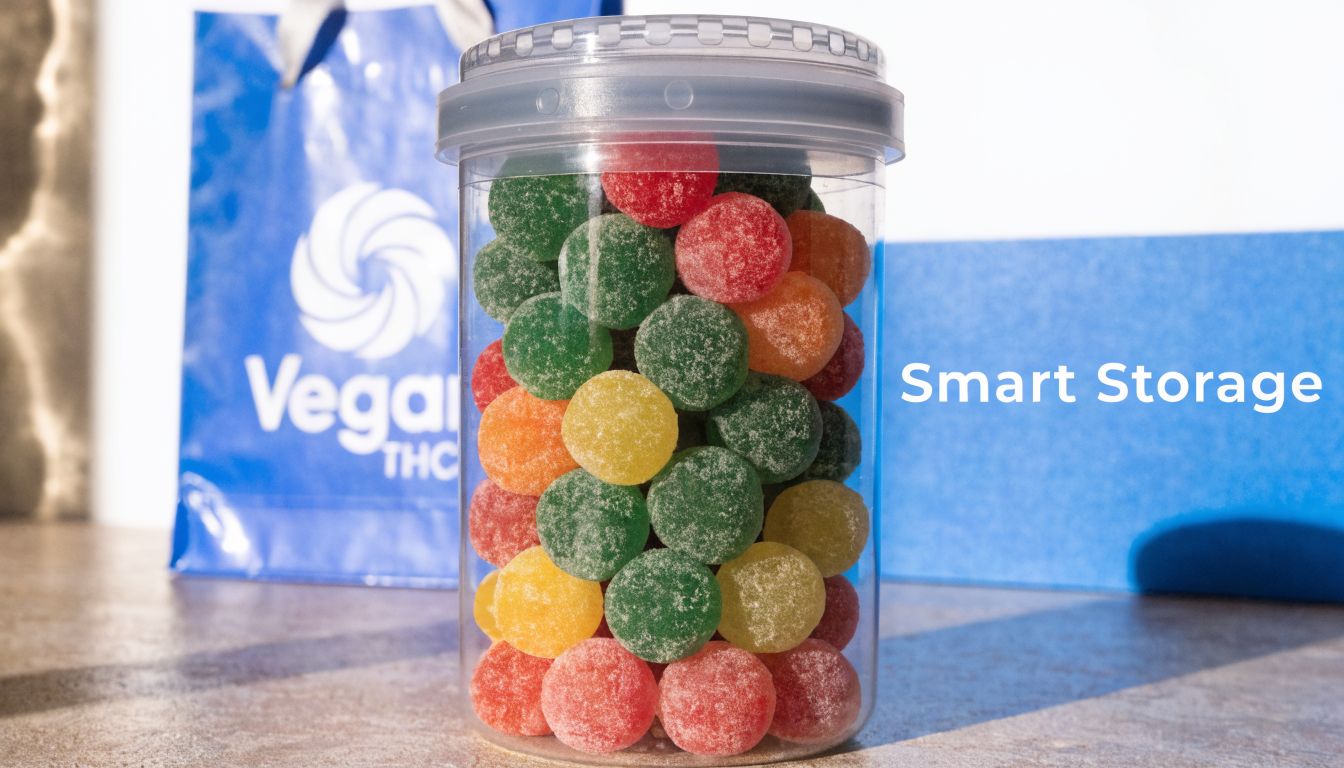
Good storage keeps your gummies consistent from the first piece to the last. That matters more than people expect.
Gummies react to their environment a lot like regular candy. Heat can make them clump. Light and air can wear down freshness. Humidity can change texture. A cool, dark, dry spot usually works best, and the original package often does the best job of protecting the product while keeping the label, batch number, and dosing info attached.
The refrigerator is not always necessary. In some homes, though, it can help during hot weather if the package is sealed well and kept away from foods with strong odors.
Small habits that prevent mix-ups
Storage is also about safety.
| Storage habit | Why it helps |
|---|---|
| Keep original packaging | Preserves label, batch, and dosing details |
| Close the container fully | Helps maintain texture and freshness |
| Store away from heat and sunlight | Protects quality over time |
| Keep separate from regular candy | Reduces accidental mix-ups |
| Place out of reach of kids and pets | Lowers the risk of accidental consumption |
One more tip from the dispensary side. If you cut gummies in half for smaller doses, note that on the package or keep them in a clearly labeled container. It saves you from guessing later.
Buying well starts with verification. Storing well protects what you paid for and helps each dose stay predictable.
The Strong Strains Promise Vetted Vegan Edibles
A premium cannabis experience starts long before a gummy reaches your nightstand. It starts with what gets selected, what gets rejected, and how clearly a team can answer your questions when you’re deciding what to buy.
That’s where Strong Strains aims to stand apart. The focus isn’t on hype language or crowded shelves. It’s on lab-tested, handpicked products, clear guidance, and a retail experience that respects both the new customer and the experienced shopper who already knows what they like.
What vetting should look like
When a dispensary takes vegan edibles seriously, “vegan” can’t be the only filter. The better standard is layered.
That means paying attention to:
Ingredient quality
The gummy should clearly fit a plant-based standard.Label clarity
Customers should be able to understand the dose and cannabinoid profile quickly.Verified testing
The product should come with meaningful lab documentation, not vague assurances.Staff knowledge
A customer asking about dosing, cannabinoids, or ingredient sourcing should get a useful answer.
Why human guidance still matters
Even with good labels and COAs, many shoppers still want a quick conversation with someone who can translate the details. One person wants a mellow evening gummy. Another wants a plant-based option with a more balanced cannabinoid profile. Another wants to know whether a product makes sense at all given a job-related drug testing policy.
That’s where experienced budtenders matter. Good guidance doesn’t pressure you into a sale. It helps you avoid the wrong purchase.
A local option should feel easier, not more confusing
For Long Island customers, convenience matters. So does trust. You want to know that the dispensary you visit or order from has already done the quality filtering that many random marketplaces don’t do well.
Strong Strains serves East Setauket and the wider Long Island community with a focus on premium products, knowledgeable service, in-store pickup, and local delivery. That combination works well for shoppers who want more than a menu screenshot and a guess.
The bottom line
Vegan thc gummies can be an excellent choice when you care about plant-based ingredients, consistent dosing, and smoke-free cannabis use. The key is choosing products that are made well, labeled clearly, and backed by real testing.
A good dispensary should help you feel more informed after the conversation than before it. That’s the standard worth expecting.
If you’re ready to shop vegan edibles with more confidence, visit Strong Strains. Our East Setauket team helps Long Island adults find lab-tested gummies, compare cannabinoid profiles, and choose a dose that fits their comfort level. Stop in, ask questions, and let our budtenders help you find a plant-based edible that matches your preferences without the guesswork.