
You walk into a dispensary on Long Island, glance at the concentrate menu, and suddenly every option sounds like a different language. Wax. Budder. Crumble. Sugar. Sauce. Diamonds. If you've ever thought, “I know I want something stronger than flower, but I have no idea what any of this means,” you're in the right place.
Weed wax can feel glamorous and confusing at the same time. It looks refined, smells intense, and often comes in small jars with textures that range from creamy to brittle. For a lot of adult consumers, that mix of potency and variety is exactly what makes concentrates appealing. It's also why clear guidance matters.
Welcome to the World of Cannabis Concentrates
A Long Island customer steps up to the counter, spots a row of concentrate jars, and pauses. One looks like cake frosting. Another looks like raw sugar. A third has the glossy pull of warm honey. The question usually comes fast. Which one is easiest to use, and which one makes sense for me?
A good starting point is potency. Cannabis wax is a concentrated form of cannabis, so a small amount can deliver much more than flower in a single session. Distru’s overview of THC concentrates notes that wax often tests far above traditional flower, which is why beginners usually do best with a very small dab or a device that allows careful portioning.
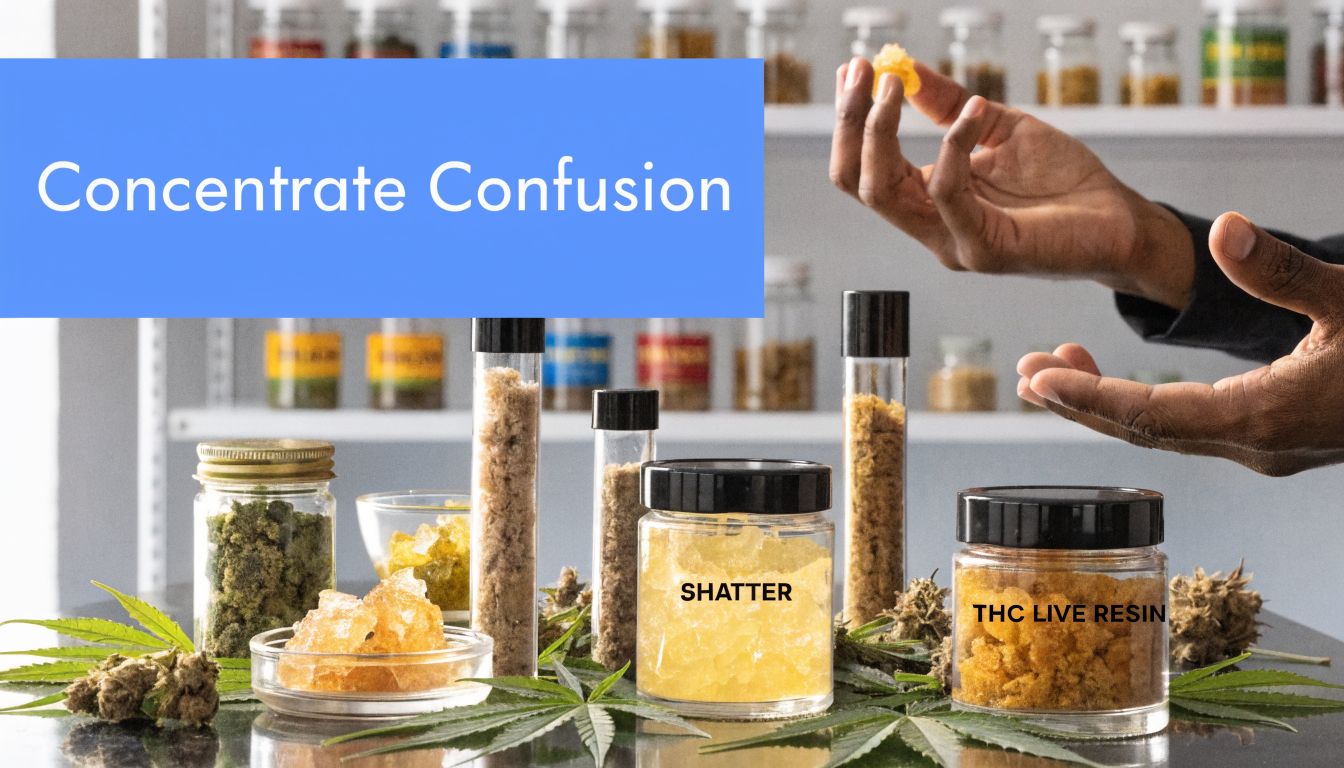
On Long Island, that matters in a practical way. Shoppers are not only asking what wax is. They want to know which texture fits their routine. A novice may want something easier to scoop and dose without a mess. A more experienced consumer may care more about terpene expression, heat control, and how a concentrate behaves on a quartz banger or in a premium dab pen. At Strong Strains, that conversation starts with safety and clarity. Lab-tested products, clean handling, and transparent selection matter more than flashy names.
Defining weed wax
Weed wax is a broad category of cannabis concentrates with soft or semi-soft textures. It can appear creamy, sticky, grainy, or crumbly depending on how it was extracted, whipped, cured, and stored. Budder, badder, sugar wax, and crumble all sit under this wider wax umbrella.
The easiest way to understand it is by comparing it to dessert textures. Pudding, mousse, and cheesecake all belong on the same menu, but each one feels different on the spoon. Wax works the same way. The texture changes how easy it is to load, how neatly it handles, and sometimes how the flavor comes through during a session.
That difference matters at the counter. A connoisseur with a full dab rig setup may love a saucy, terpene-rich concentrate that rewards careful handling. A first-time concentrate shopper often has a better experience with a stable wax that is easier to portion.
Why new shoppers get tripped up
Flower gives people a familiar map. Many consumers start with indica, sativa, hybrid, aroma, and expected mood. Concentrates add a second map on top of that one. Now the questions include texture, device compatibility, serving size, and how quickly the effects come on.
That is why learning how cannabis strain families shape aroma and effects still helps, but it does not answer everything once you step into concentrates.
For Long Island shoppers, the simplest approach is to match the wax to the method. Softer, more workable textures can be friendlier for dab tools and e-rigs. Crumblier products may appeal to experienced users who do not mind a little more finesse. If discretion and convenience matter, some wax formats also pair better with portable devices than others.
The luxury part of concentrates is not just strength. It is precision. You get more control over flavor, dose, and ritual, especially when you buy from a shop that takes testing and storage seriously. Behind that polished experience is real lab work, equipment standards, and facility design, including details as specific as lab furniture for CBD oil facilities. For the customer, the takeaway is simple. Choose clean, verified products, start small, and let texture guide your first purchase as much as potency.
The Art of Extraction How Weed Wax Is Made
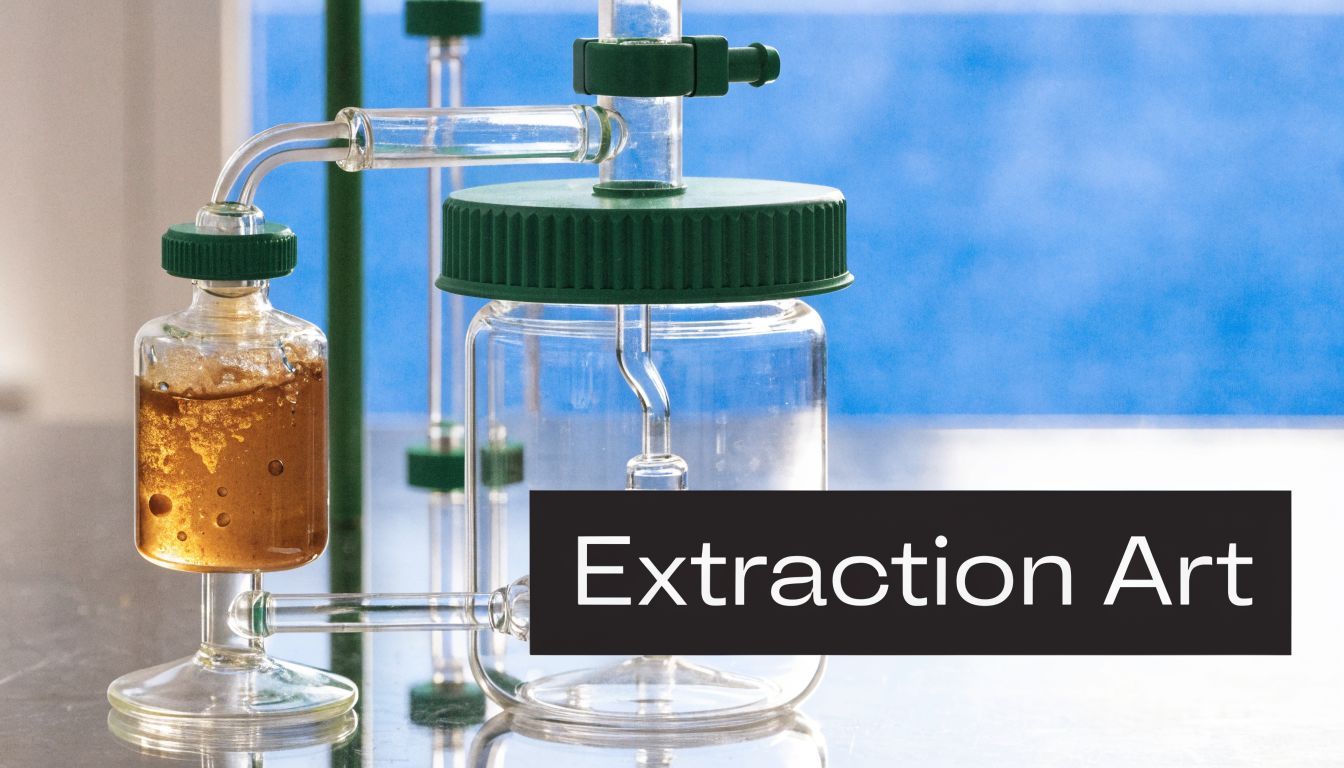
Think of extraction like making espresso instead of drip coffee. You’re taking the same plant and pulling out a more concentrated version of what matters most. With cannabis, that means extracting cannabinoids and aromatic compounds from the plant material and leaving much of the bulk behind.
That’s why wax feels so different from flower. It isn’t just stronger. It’s more refined in texture, aroma, and delivery.
The two common solvent-based paths
Most weed wax starts with a solvent-based extraction. Two methods come up often in dispensary conversations: BHO and CO2 extraction.
BHO, short for butane hash oil, uses hydrocarbon solvents to pull cannabinoids and terpenes from the plant. It’s widely associated with wax because it can produce rich textures and strong flavor when handled well.
CO2 extraction uses pressurized carbon dioxide instead. Consumers often hear about it in connection with vape oils, but it can also play a role in concentrate production.
The important point isn’t memorizing lab jargon. It’s knowing that the extraction method helps shape how the final concentrate tastes, handles, and feels.
Why wax looks opaque instead of glassy
Many shoppers reach an “oh, now I get it” moment.
Wax doesn’t just happen by accident. According to Jersey Meds’ explanation of wax production, wax is made through solvent-based extraction followed by agitation during purging. That agitation incorporates air, creates the opaque appearance, and helps preserve volatile terpenes. High-quality waxes can retain terpene levels around 5.9%, which contributes directly to their aroma and flavor.
So if shatter looks like stained glass and wax looks more like soft honey butter, the difference often comes down to what happens after extraction. Leave the extract more undisturbed and you can get a clearer, glass-like finish. Agitate it and you create a softer, more workable texture.
Practical rule: Texture tells you something about processing. It’s not just packaging language.
Why this matters for the person actually using it
This part is easy to overlook. The way a concentrate is finished affects more than shelf appeal.
A softer wax often feels easier to scoop and portion than a brittle slab. A more terpene-forward finish may deliver fuller aroma and a more expressive flavor at moderate temperatures. A denser, glassier concentrate may store neatly but require a little more care when portioning.
If you’re curious about the production side of cannabis and how serious facilities are set up, this overview of lab furniture for CBD oil facilities gives useful context on the kind of environments used for extraction and processing work.
The short version
Here’s the easiest way to remember it:
- Extraction pulls out the good stuff from the plant
- Purging removes solvent
- Agitation changes texture
- Texture influences flavor, handling, and use
Once you know that, terms like wax, shatter, and budder stop sounding random. They start sounding like what they are: different outcomes of a controlled process.
A Guide to Common Weed Wax Textures and Forms
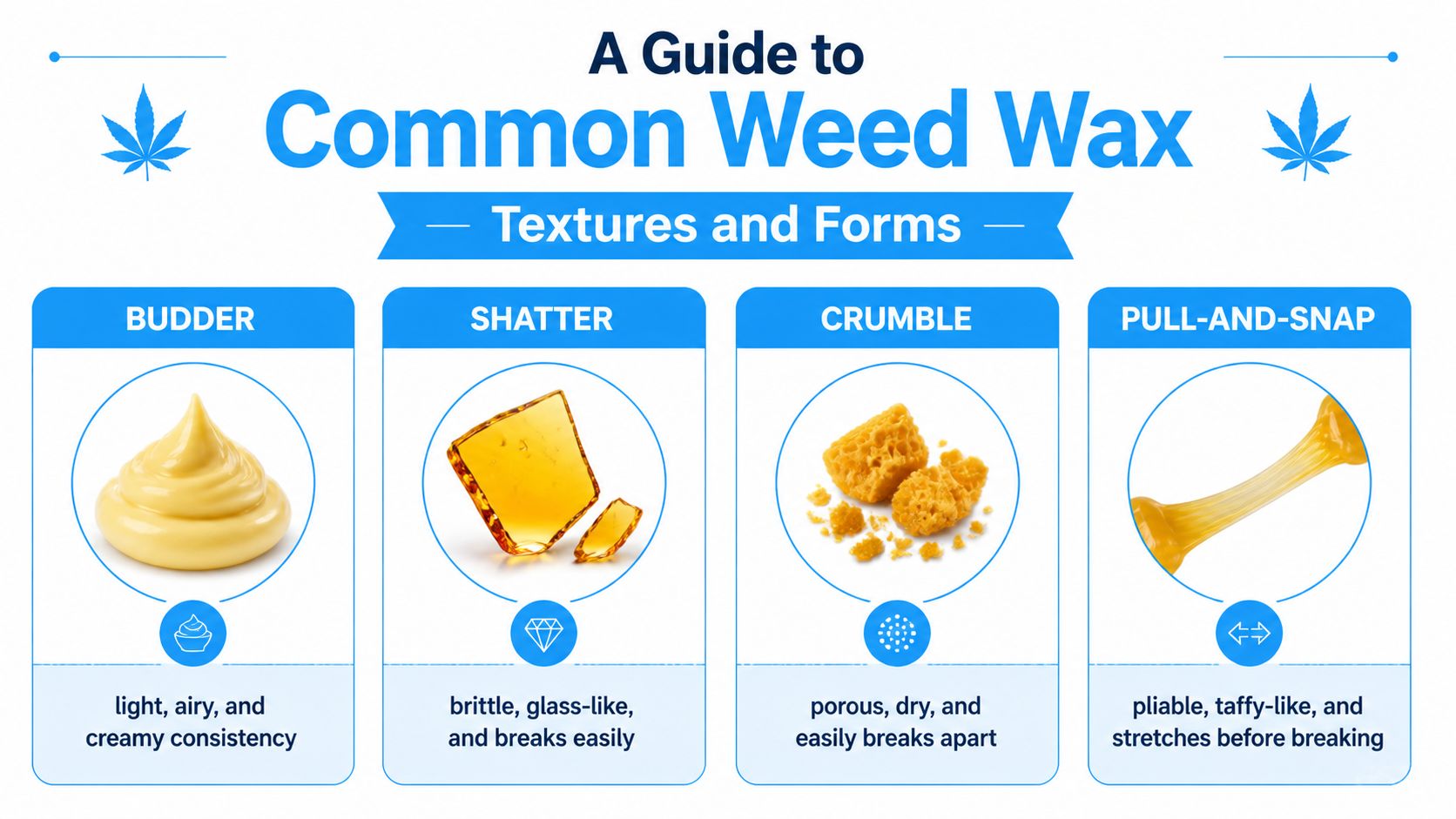
If you want to understand types of weed wax, start with your eyes and your dab tool. Texture tells you how a concentrate behaves before you ever consume it. Some forms scoop neatly. Some snap. Some crumble into little grains. Some spread like jam.
That matters because user experience starts before the first inhale. It starts when you open the jar and ask, “Can I work with this?”
Weed wax types at a glance
| Wax Type | Texture | Average THC Potency | Key Characteristic | Best For |
|---|---|---|---|---|
| Budder | Creamy, whipped | 60-90% THC | Easy to scoop | Dab rigs, easy handling |
| Shatter | Brittle, glass-like | Qualitatively high potency | Clean snap and firm structure | Experienced users who want tidy pieces |
| Crumble | Dry, crumbly | 80-90% THCA | Easy to sprinkle and portion | Vaporizers, topping flower, microdosing |
| Sugar Wax | Granular, crystalline | Typical wax range qualitatively | Grainy texture with some stickiness | Users who like balance between scoopable and textured |
| Sauce | Syrupy, terpene-rich | Qualitatively lower cannabinoid density than crystals-heavy forms | Flavor-forward texture | Dabbers who prioritize aroma |
| Diamonds | Crystal-heavy concentrate | Qualitatively very potent | Strong cannabinoid punch | Seasoned consumers |
The broad category includes budder, sugar wax, and crumble. According to Hometown Hero’s guide to dab textures, budder is creamy and formed by whipping, sugar wax is granular and crystalline, and crumble is dry and crumbly. That same source notes that crumble can reach 80-90% THCA, while budder’s creamy texture supports precise scooping and even vaporization.
A quick visual can help before we go deeper.
Budder and badder
Budder is the concentrate many first-time wax shoppers end up loving because it’s intuitive. It looks whipped, soft, and almost dessert-like. Badder sits in the same neighborhood, often a little looser or more spreadable.
For practical use, budder is one of the friendliest textures on the menu. It sticks to a tool without fighting you too much. It loads into a rig cleanly. It also tends to feel luxurious in the jar, which is one reason connoisseurs often gravitate toward it.
Brands known for premium concentrate menus, like MFNY or Olios, often help shoppers understand this texture category because presentation matters so much with whipped extracts.
Crumble
Crumble is the opposite of sticky anxiety. If you’ve ever worried about making a mess with concentrates, crumble solves that fast.
It breaks apart easily, which makes portioning simple. That’s useful if you want a smaller, measured amount or if you’re adding concentrate to flower. Its dry nature also makes it approachable for people who don’t want their dab tool coated in a sticky layer after every use.
Crumble is often the easiest texture for cautious shoppers because you can see the amount clearly before you use it.
Sugar wax
Sugar wax sits in a middle lane. It has a grainy, crystal-like look, but it still carries some tackiness. Some jars look wet and sandy at the same time.
People often get confused because “sugar” doesn’t mean sweet in the edible sense. It refers to appearance. The concentrate can look like damp sugar crystals, which many terpene lovers find appealing because it suggests a richer, more expressive concentrate than something ultra-dry.
Shatter
Shatter is usually discussed alongside wax because shoppers compare them constantly. It’s not soft and opaque. It’s firm, translucent, and breaks into pieces.
Some people love shatter because it feels clean and organized. Others find it less forgiving because brittle concentrates can snap unpredictably if you’re trying to portion a tiny amount. If you’ve ever chipped a bit off hard candy and watched it break larger than planned, you already understand the issue.
Sauce and terp sauce
Sauce is for the customer who opens a jar and immediately leans in to smell it. It’s often more fluid, glossier, and more aromatic than drier textures.
Handling it can be messier than budder or crumble, but flavor-focused consumers often think that trade-off is worth it. If you care about the full sensory side of concentrates, sauce is one of the most interesting categories to explore.
Diamonds
Diamonds usually appeal to the customer asking for maximum impact. These concentrates are crystal-forward and prized for potency-first sessions.
They’re not usually the best first stop for someone brand-new to concentrates. They’re better understood as a specialist format for consumers who already know how strong concentrates can feel and want a more direct cannabinoid-heavy experience.
How texture changes the experience
The best types of weed wax aren’t “best” in the abstract. They’re best for a job.
- Budder works well when you want easy scooping.
- Crumble shines when you want neat, small portions.
- Sugar wax offers a textured middle ground.
- Sauce leans into aroma and flavor.
- Diamonds suit potency-focused shoppers.
- Shatter appeals to people who prefer firm, breakable pieces.
If you’re standing at a concentrate case deciding between two jars, don’t just ask which one is stronger. Ask which one matches how you like to consume cannabis. That one question usually leads to a much better choice.
Solvent vs Solventless The Rise of Live Resin and Rosin
Once shoppers understand textures, the next fork in the road is extraction style, which often leads people to ask for “cleaner” options, fresher flavor, or a more craft-style concentrate. The conversation usually lands on two terms: solvent-based and solventless.
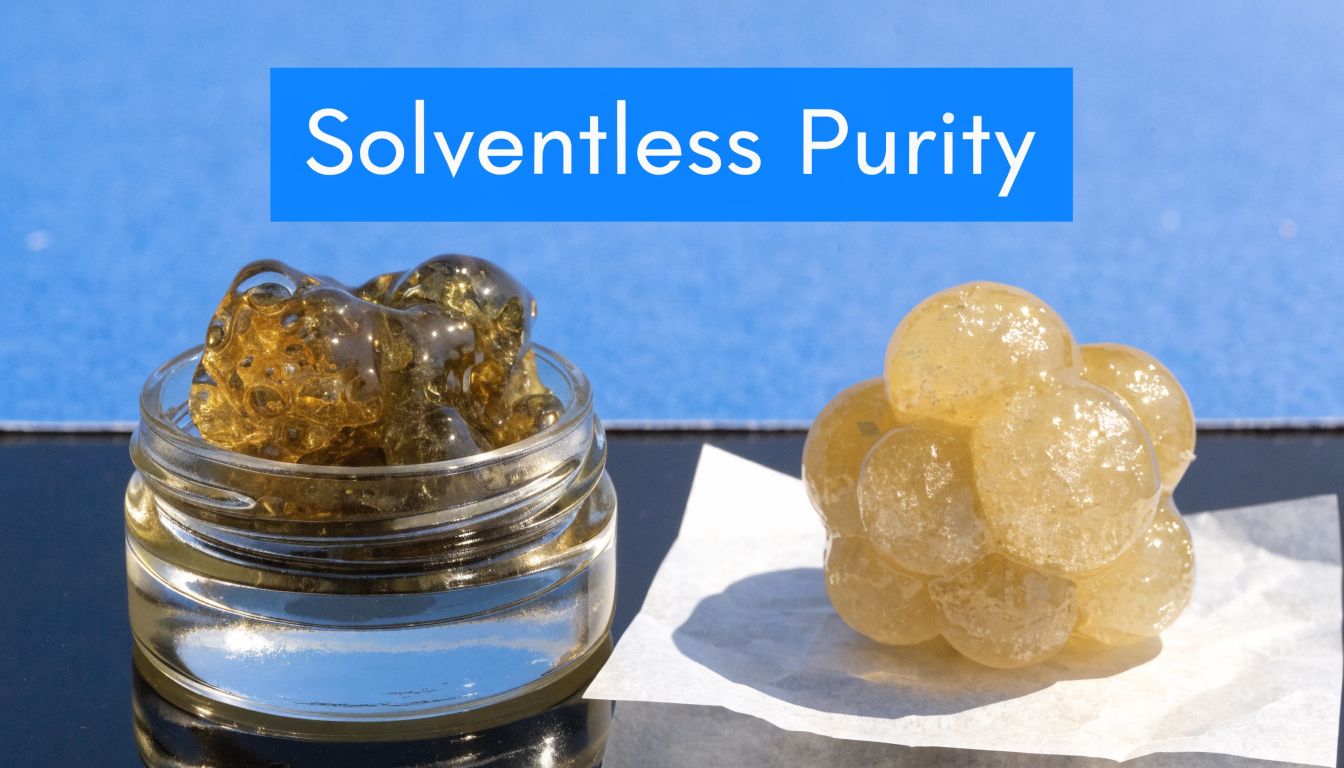
Most classic wax products are solvent-based. That doesn’t automatically make them bad. It just means the extraction used a solvent during production. Solventless concentrates skip that part and rely on mechanical methods such as heat and pressure.
Where live resin fits
Live resin confuses a lot of customers because the word “live” sounds like it should mean solventless. It doesn’t.
Live resin is still a solvent-based concentrate, but it’s made from fresh-frozen cannabis rather than standard cured material. That fresh-frozen starting point is prized because it helps preserve the plant’s aromatic profile.
Where rosin fits
Rosin is the clean-label darling of the concentrate shelf. Instead of using a solvent, producers use heat and pressure to squeeze oil from flower, hash, or sifted trichomes.
For some consumers, that production style is the whole appeal. They want a concentrate that feels closer to mechanical craftsmanship than lab-style extraction. It’s also why rosin often carries a premium reputation.
Why terpene preservation drives the trend
Flavor-focused shoppers often move toward solventless because they’re chasing terpene expression, not just raw THC. According to The Dispensary’s beginner guide to cannabis concentrates, live rosin preserves 4-12% terpenes from fresh-frozen plants, compared with the 1-2% often found in solvent-based waxes. That same source notes some New York dispensaries reported a 40% year-over-year increase in solventless product sales.
That doesn’t mean every solventless product is automatically better for every person. It means many shoppers are actively choosing concentrates based on purity perception and flavor experience.
A good way to think about it is this: solvent-based and solventless products can both be premium. They just answer different priorities.
How to choose between them
If you’re deciding between wax, live resin, and rosin, ask yourself what you care about most.
- You want classic dab texture options. Solvent-based wax gives you a broad range of forms like budder, sugar, and crumble.
- You want louder aroma from fresh-frozen material. Live resin often fits that goal well.
- You want a no-solvent extraction style. Rosin is the natural place to start.
- You care about transparency. Look for lab-tested products and clear labeling, regardless of category.
Many connoisseurs keep more than one style on hand. They may use wax for convenience, live resin for a terpene-rich evening session, and rosin when they want a cleaner-feeling luxury pick. That’s not overcomplicating things. It’s just matching the product to the mood.
How to Consume Cannabis Wax for the Best Experience
A great concentrate can still become a bad experience if you pair it with the wrong device or take too much too fast. The right consumption method makes the category feel smooth and controlled instead of intense and chaotic.
Texture's importance shifts from trivial observation to practical application.
Best matches for common wax textures
Some waxes are easier to use in certain formats than others. According to Dr. Dabber’s guide to wax dabs, budder in the 60-90% THC range is ideal for easy scooping into dab rigs, while crumble suits vaporizers and is easy to microdose. That same guide recommends beginners start with a lower-potency wax around 70% THC to avoid over-intoxication.
That pairing advice matters more than many people realize.
- Budder with a dab rig or e-rig. The creamy texture loads neatly on a tool and transfers well.
- Crumble with a compatible vaporizer. Its dry texture makes small amounts easier to control.
- Wax added to flower. Some people like twaxing a joint or bowl for extra punch, though even distribution matters.
- Sauce with a rig. A looser concentrate usually behaves best in a setup made for concentrates rather than improvised use.
Devices people actually use
Traditional dab rigs still have a loyal following, but many Long Island shoppers prefer easier devices. That’s why e-rigs and portable options from brands like PUFFCO or Pax come up so often in concentrate conversations. They lower the intimidation factor.
If you’re exploring portable options, this guide to cannabis vapes helps clarify how vapor devices fit into a broader cannabis routine.
Beginner approach versus seasoned approach
A beginner should think in tiny amounts. Not “small for a concentrate user.” Tiny.
Take one measured inhale and wait. Concentrates come on quickly, and many uncomfortable sessions start because someone assumed a wax dab should be treated like a flower puff. It shouldn’t.
For wellness-focused consumers, the logic behind portion control overlaps with broader low-dose habits. Even though this article is about concentrates, the pacing advice in this micro dosing gummies guide is useful because the core idea is the same: start with less than your ego wants.
If you’re new to wax, your goal for the first session isn’t to get the strongest possible effect. It’s to learn how your body responds.
Simple rules that prevent rookie mistakes
- Use less than you think you need. Concentrates are dense.
- Choose the right texture for your device. Dry crumble and creamy budder behave very differently.
- Don’t rush the second hit. Give the first one time.
- Keep your tool and chamber clean. Residue changes flavor and can make dosing sloppy.
The best wax session feels precise. You know what you loaded, why you loaded it, and how it’s likely to hit. That’s the difference between consuming concentrates and controlling them.
Buying Weed Wax on Long Island A Strong Strains Guide
Shopping for weed wax gets easier when you stop chasing names and start reading jars like a careful buyer. The label and the lab testing tell you more than flashy strain names ever will.
A premium concentrate should feel intentional before you open it. The packaging should look clean. The information should be easy to find. Nothing about the purchase should feel mysterious.
What to check before you buy
Start with the basics:
- Cannabinoid content. This helps you understand whether you’re buying a milder wax or a heavy hitter.
- Terpene information. If the brand shares this clearly, it often signals a more educated approach to concentrates.
- Extraction style. Solvent-based and solventless products serve different preferences.
- Lab testing. This is the big one.
Licensed dispensary products should provide evidence of testing. For concentrates, that matters even more because shoppers want confidence about potency and purity. If a product doesn’t feel transparent, skip it.
How to shop by experience level
A first-time wax shopper shouldn’t buy the most intimidating jar on the shelf just because the packaging looks fancy. A better move is choosing a manageable texture and a realistic potency, then using a compatible device.
A seasoned concentrate consumer might care more about texture precision, terpene expression, or whether a jar is better for low-temp dabs than on-the-go use. That’s where product curation matters. Good shelves don’t just offer variety. They offer variety with purpose.
Local shopping habits that make sense
On Long Island, convenience matters. People want products that fit real routines. Some shoppers want something they can enjoy at home after dinner. Others want an evening-friendly concentrate for weekends. Some are moving from flower into extracts and want the transition to feel controlled, not dramatic.
That’s also why educational buying beats impulse buying. A product that’s perfect for your friend may be annoying, messy, or far too strong for you.
For seasonal buying ideas that pair product category with real-life use, this roundup of best cannabis products in Long Island for summer 2025 gives helpful local context.
Storage and freshness matter too
Once you buy a good concentrate, protect it.
Keep wax in a cool, dark place, sealed tightly, and away from unnecessary heat. Sticky textures can shift if they warm up too much, and aromatic concentrates lose some of their charm when they sit open or exposed. Use the original jar if it seals well, and avoid dipping dirty tools into fresh product.
A little care goes a long way with concentrates. Unlike flower, where people sometimes get casual with storage, wax rewards neat habits.
Frequently Asked Questions About Weed Wax
Is weed wax legal to buy on Long Island
Yes, for adults 21+ buying through licensed New York cannabis channels. Age compliance matters, and concentrates should be purchased from regulated dispensaries rather than informal sources.
What’s the main difference between weed wax and hash
Wax is usually a modern concentrate with soft or malleable textures created through extraction and post-processing. Traditional hash is a broader category of cannabis resin products and often feels more old-school in form and use. Many shoppers find wax more device-specific, especially for dabbing and vaporizing.
How should I store cannabis wax
Store it sealed, cool, and out of direct light. Use a clean tool when handling it. If a concentrate is especially aromatic or delicate, limiting heat exposure helps preserve flavor and texture.
Which type of weed wax is easiest for beginners
For many beginners, budder or crumble feels easier than sticky sauce or crystal-heavy formats. Budder is simple to scoop. Crumble is simple to portion. The better choice depends on your device and how carefully you want to control your amount.
Is stronger always better with concentrates
No. With wax, a better session usually comes from the right format, the right amount, and the right device. Many experienced consumers would rather have a flavorful, easy-to-handle concentrate than the most aggressive option in the case.
If you’re ready to explore concentrates with real guidance, browse Strong Strains for premium, lab-tested cannabis on Long Island. Whether you’re new to wax or refining your concentrate game, our team helps you choose the right texture, potency, and product format for a smoother, smarter experience.