
You're scanning a dispensary menu, and one name keeps pulling your eye back. Blueberry Fritter sounds like it should be in a bakery case, not a jar behind the counter. That's exactly why people ask about it so often. The name promises flavor first, but experienced shoppers usually want to know the true question behind the branding. Does it deliver?
In practice, the blueberry fritter strain earns attention because it sits at a sweet spot many adult-use shoppers want. It brings dessert-style aroma, serious potency, and a balanced hybrid profile that can fit more than one kind of session. For some customers, that means an evening flower with more character than the usual generic sweet strain. For others, it means choosing something bold enough to feel premium without drifting into a one-note couch-lock experience.
At a premium Long Island dispensary, that matters. People aren't just buying a strain name. They're buying a full experience: flavor, burn quality, intensity, and whether the product matches the kind of night they have planned.
Introducing the Blueberry Fritter Strain
A customer sees “Blueberry Fritter” on the menu and usually reacts the same way. First comes curiosity. Then comes the follow-up question: is it all flavor, or is it actually strong?
That question is fair. Plenty of dessert-named cultivars sound better than they smoke. The blueberry fritter strain stands out because it tends to appeal to both camps. Newer shoppers like the approachable fruit-and-pastry identity. More seasoned consumers notice that it's often placed in the high-potency category and treated like a serious hybrid rather than a novelty pick.
What makes it memorable is the pairing. You get genetics associated with fruit-forward character on one side and modern dessert-heavy potency on the other. That combination shapes how people shop for it in actual dispensaries. Some customers choose it because they want a flavorful jar that still feels premium. Others choose it because they're tired of blunt, gassy flower and want something sweeter without giving up strength.
Blueberry Fritter is one of those strains people often buy first for the name, then buy again for the experience.
On Long Island, where shoppers often compare premium flower by terpene expression and how cleanly the effects land, this strain fits a very current preference. People want flavor that feels intentional. They also want potency that doesn't need exaggerated marketing language to make its case.
If you're considering Blueberry Fritter, the useful approach is simple. Look past the catchy name and judge it on the traits that matter at the counter: lineage, aroma, potency range, and which format will let those traits show up best.
The Genetic Heritage of Blueberry Fritter
Blueberry Fritter has a pedigree that explains a lot about why it keeps showing up on premium menus. SeedFinder identifies it as a modern hybrid from Robin Hood Seeds, created by crossing Blueberry (DJ Short Cut) with Apple Fritter (Lumpy Cut), and notes that it's typically offered as feminized seed with a flowering time of about 63 to 65 days according to SeedFinder's Blueberry Fritter entry.
That family tree matters because this isn't a random mashup. It's a cross built from two names that already carry strong expectations. If you want a quick primer on how lineage shapes outcomes, Strong Strains has a useful explainer on understanding the different strains of cannabis.
What Blueberry brings
Blueberry is the side of the cross that gives this strain its fruit identity. In practical terms, that usually means the profile leans sweeter, softer, and more recognizable than strains built around fuel, skunk, or pepper-heavy notes.
Blueberry-derived genetics are also associated with a denser, more resinous bud structure in the verified data. That matters at the shelf because customers often read quality visually before they smell anything. Flower that looks compact, sticky, and well-finished tends to reinforce the expectation of a top-shelf dessert hybrid.
What Apple Fritter adds
Apple Fritter changes the conversation from “pleasant” to “serious.” It contributes the pastry-style aromatic identity people expect from the name, but it is also associated with strong potency. That's the part that keeps Blueberry Fritter from feeling like a lightweight fruit strain.
The result is a cultivar that makes sense for shoppers who want two things at once:
- Recognizable flavor: Something sweeter and more polished than a generic candy profile
- Modern intensity: A strain that can satisfy experienced consumers
- Controlled-environment appeal: A hybrid that fits well with indoor production targets
Practical rule: When a strain has a clear, documented lineage and the parent traits line up with what you smell and feel, it usually shops better and disappoints less.
Why the lineage matters at the counter
A lot of customers still ask whether a strain is “more indica” or “more sativa,” but with Blueberry Fritter, the better question is what the parents suggest about the actual experience. Blueberry points you toward fruit and resin. Apple Fritter points you toward dessert aromatics and a stronger ride.
That's why the blueberry fritter strain often attracts a premium buyer. The genetics tell a coherent story. It isn't trying to be everything. It's trying to deliver a dessert-fruit hybrid with enough power to hold its place among stronger modern offerings.
Aroma Flavor and Appearance
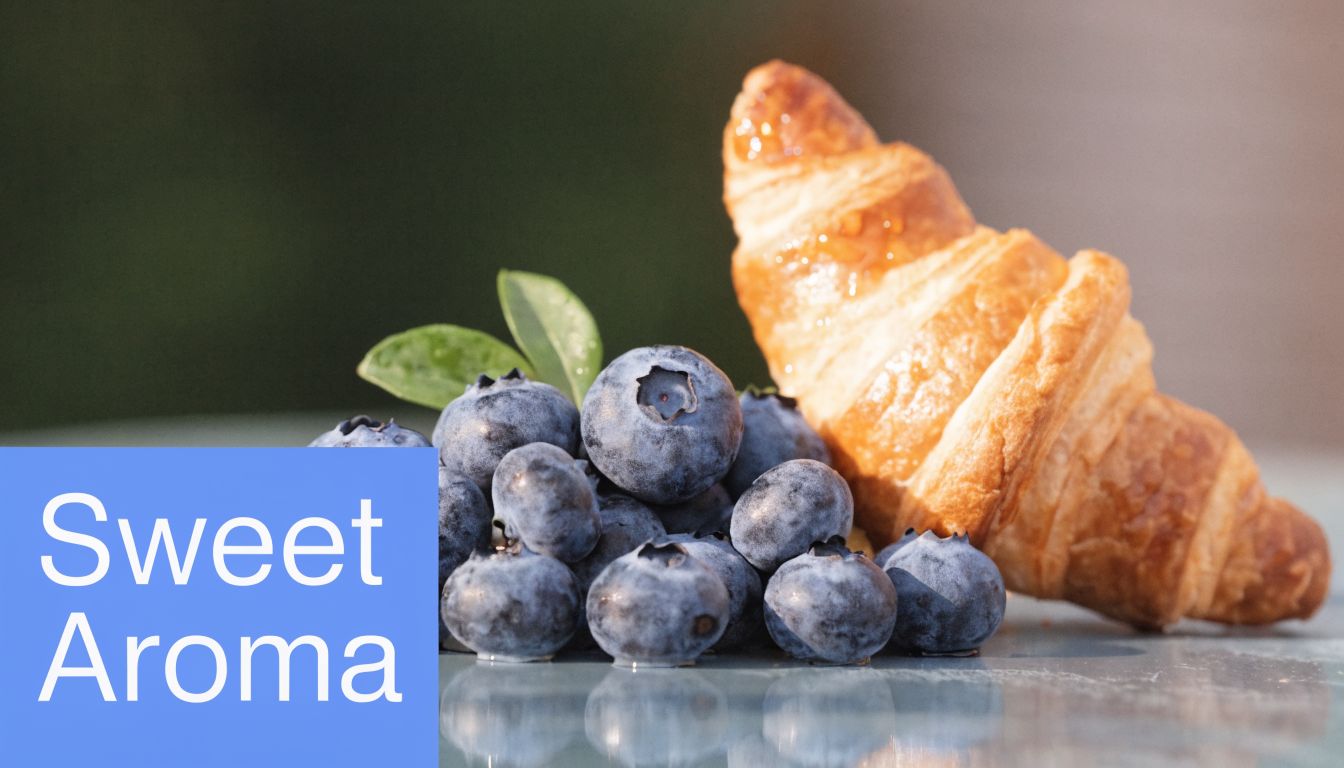
The first thing growers and consumers notice about Blueberry Fritter is that the name tracks with the jar. It doesn't read like random branding. The profile is commonly described as Apple, Blueberry in the verified data from SeedFinder, which is a big reason the strain feels so easy to understand the moment it's opened.
What the aroma usually tells you
In the jar, Blueberry Fritter tends to land in that dessert-fruit lane customers often ask budtenders to help them find. Think ripe berry sweetness first, then a baked, pastry-like warmth behind it. Some expressions lean more fruit-forward. Others show more of the fritter side and smell richer, softer, and slightly doughy.
That's one reason this strain performs well on a retail menu. The aroma is easy to describe without flattening it into candy language. It smells sweet, but not empty. It smells indulgent, but not artificial.
For customers shopping by nose, that distinction matters. A lot of “dessert” strains end up reading sugary with very little depth. Blueberry Fritter usually works better when the flower keeps a clear fruit note and doesn't lose the baked-goods side underneath.
What good flower should look like
Appearance won't tell you everything, but it does tell you whether the batch was handled with care. With Blueberry-forward genetics in the mix, shoppers often expect buds that look dense, resinous, and visually finished rather than airy or rough.
When I'm helping someone choose a premium dessert hybrid, these are the cues that matter most:
- Structure: Buds should feel compact, not loose and overhandled
- Trichome coverage: You want visible frost, not flower that looks dull under the light
- Color contrast: Healthy green tones and a lively finish usually shop better than flat, muted flower
- Aroma integrity: The smell should still be distinct when the jar has been open briefly, not vanish immediately
Here's a quick visual reference before we get deeper into how people experience it in use.
Why flavor drives purchase decisions
In a premium dispensary, flavor isn't secondary. It often decides whether a customer comes back for the same strain. Potency may win the first sale, but taste usually earns the repeat one.
That's where Blueberry Fritter has an advantage. The fruit-and-pastry identity is specific enough that people remember it. If someone wants a cultivar that feels more refined than a standard sweet hybrid, this one usually gets attention quickly.
A dessert strain should taste like a real profile, not a vague sweetness with a trendy label.
The blueberry fritter strain also fits a very current shopping pattern. Many customers want a flower that feels indulgent without crossing into gimmicky territory. They don't want plain gas. They also don't want a strain that tastes good for two hits and then turns generic. Blueberry Fritter tends to succeed when the batch keeps that berry top note and supports it with fuller, bakery-like depth.
Effects Potency and Common Uses
If you're buying Blueberry Fritter for effects, potency is the first thing to respect. AllBud places commercial and breeder reports for this strain in the high-potency category, commonly at 26% to 30% THC, with some phenotypes reaching up to 33%, while CBD is typically under 1%, according to AllBud's Blueberry Fritter profile.
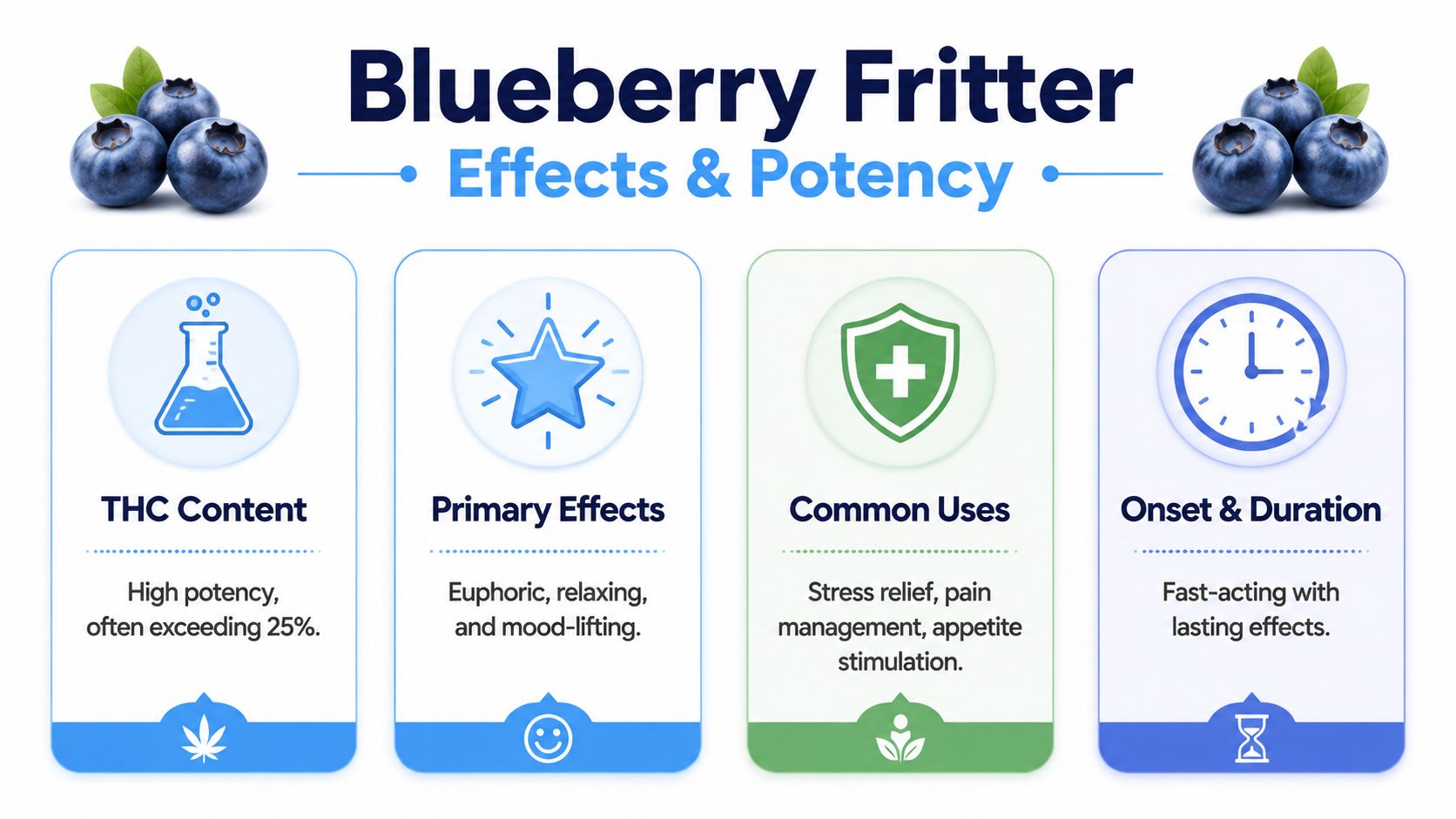
That puts the blueberry fritter strain firmly in the category where dose matters. It isn't the kind of flower I'd hand to a brand-new customer with a casual “you'll be fine” shrug. It's more appropriate for shoppers who either know their tolerance or are willing to approach it carefully.
How the high usually lands
Verified data also describes it as a balanced hybrid, with commonly reported effects listed as relaxed (50%), euphoric (25%), and sleepy (25%) in the breeder-guide summary tied to the verified source. In real dispensary terms, that usually translates into a session that starts pleasantly lifted and then settles deeper into the body.
That balance is why Blueberry Fritter can appeal to more than one type of consumer. Someone looking for a flavorful evening hybrid may appreciate that it doesn't need to be aggressively sedating to feel substantial. An experienced shopper may like that it offers enough body presence to feel strong without automatically flattening the whole night.
Who it tends to suit
This strain usually makes the most sense for a few specific shoppers:
- Experienced flower consumers who want dessert terpene appeal without sacrificing intensity
- Weekend users who enjoy a stronger hybrid when there's no pressure to stay especially sharp
- Customers moving up in potency from softer fruit strains and wanting something with more punch
For people exploring cannabis for stress relief, many start with educational resources like Strong Strains' article on how cannabis can help manage stress and anxiety. Blueberry Fritter can fit that broader conversation, but it's still important to remember that stronger THC flower isn't automatically the right answer for every consumer.
Start lower than your ego wants to. High-THC dessert hybrids can feel smooth on the inhale and still hit harder than expected ten minutes later.
What works and what doesn't with dosing
What works is simple. Use less than you think you need, especially if you're trying a fresh batch in flower or pre-roll form. Let the first portion settle before deciding the strain is “mild.” Blueberry Fritter can be deceptively approachable because the aroma feels friendly.
What doesn't work is treating flavor as a sign of gentleness. Sweet-smelling flower often tricks newer users into overconsumption. That's a fast path to a session that feels heavier, foggier, or sleepier than planned.
A practical buying mindset looks like this:
- Match the strain to the setting. Better for downtime than a packed obligation-heavy afternoon.
- Respect the format. Flower, vape, and infused products won't hit the same way.
- Keep hydration nearby. Dry mouth is a common real-world issue with strong flower.
- Pause before redosing. Especially if you're chasing flavor and not noticing the potency creeping in.
Common real-world uses
Customers usually ask for Blueberry Fritter when they want to unwind, lift the mood, or settle into a slower evening. Some also look for strains in this lane when they want a strong, flavorful option that feels more polished than the average knockout hybrid.
That said, the key trade-off is clear. You're choosing a strain with a high THC ceiling and very low CBD. For the right person, that's exactly the appeal. For the wrong person, it can be too much too quickly.
How to Best Enjoy Blueberry Fritter
You're at the dispensary counter on a Friday night, choosing between a dessert-forward jar that smells like baked fruit and a faster, more discreet option for the ride home. Blueberry Fritter usually comes down to that decision. Its sweet terpene profile draws people in, but its high-THC potential means the format matters just as much as the strain name.
For shoppers in a premium Long Island market, the main question is simple. Are you buying Blueberry Fritter for flavor, for convenience, or for a stronger evening effect with some character behind it?
Flower for the clearest read on the strain
Flower is still the best way to judge whether a Blueberry Fritter batch is worth your money. You get the aroma first, then the grind texture, then the way the flavor carries through the inhale and finish. If the appeal is that blueberry-and-pastry profile, whole flower gives it the fairest shot.
That also makes flower the best format for customers who want to learn the batch before committing to anything more concentrated. At the counter, I usually point flavor-focused shoppers toward well-handled premium flower because it reveals more. Poor cure, weak terpene retention, or older inventory show up quickly in this format, which is useful if you care about quality and not just THC on the label.
Flower makes the most sense if you want:
- Clearer terpene expression
- More control over session pace
- A better way to judge freshness before buying
Vapes for a cleaner, lower-odor session
Blueberry Fritter in a vape suits customers who like the strain's dessert profile but need a more practical format. It travels well, it keeps the session contained, and it avoids most of the prep that comes with flower.
The trade-off is flavor depth. A good vape can still be enjoyable, but many shoppers expecting the same layered fruit-and-pastry experience they get from top-shelf flower end up noticing a flatter presentation. For some people, that compromise is completely reasonable. For others, especially customers shopping premium menus for terpene detail, it misses the point of choosing this cultivar in the first place.
Pre-rolls for convenience, with a quality caveat
Pre-rolls work best when the goal is access without setup. They fit beach nights, concerts, casual hangs, and any situation where carrying flower and gear feels unnecessary.
They are also the hardest format to judge from the outside. Blueberry Fritter can come across beautifully in a well-packed pre-roll, or feel surprisingly average if the input material is dry or less expressive than the jarred flower from the same producer. Customers who are buying this strain because they specifically want the dessert nose should keep that in mind.
If you are still deciding what to bring for warm-weather sessions, our guide to the best cannabis products in Long Island for summer 2025 gives a useful format-by-format starting point.
Start with flower if you want to know what Blueberry Fritter actually offers. Choose a vape or pre-roll if convenience matters more than full expression.
Blueberry Fritter vs similar dessert hybrids
Blueberry Fritter earns its place with shoppers who want a sweeter fruit note instead of a denser, richer pastry profile. That difference affects buying decisions more than people expect, especially in premium dispensaries where several strong dessert-leaning hybrids may sit side by side.
| Strain | Primary Flavor | Potency Profile | Typical Session Feel |
|---|---|---|---|
| Blueberry Fritter | Blueberry, apple, pastry | Usually high THC | Relaxing, euphoric, slower pace |
| Apple Fritter | Apple pastry, sweet, rich | Usually high THC | Balanced at first, then heavier |
| Wedding Cake | Sweet pastry, vanilla, tangy | Usually high THC | Dense, calming, fuller body feel |
Who tends to like it most
Blueberry Fritter is a smart pick for shoppers who want dessert terpenes without sliding fully into a heavy vanilla or gas-dominant profile.
A few practical fits:
- Choose Blueberry Fritter flower if aroma and flavor are the reason you are buying.
- Choose Blueberry Fritter vape if you want a portable, lower-odor option with less ritual.
- Choose Blueberry Fritter pre-roll if convenience matters most and you trust the producer.
- Choose another dessert hybrid if you already know you prefer a thicker, more body-heavy smoke than fruit-forward sweetness usually provides.
Strong Strains is one factual option on Long Island for premium cannabis products, and Blueberry Fritter may appear on the menu depending on current inventory. The better question to ask at the counter is not just whether it is in stock. Ask how the current batch smells, how fresh it is, and which format shows the cultivar at its best.
Find Lab-Tested Blueberry Fritter on Long Island
You are at the counter deciding between two dessert-forward hybrids. Both promise strong THC and sweet flavor, but only one still carries that blueberry pastry nose when the jar opens. That difference matters with Blueberry Fritter. Its appeal depends on terpene expression as much as the headline potency.
Earlier genetic notes in this guide explain why growers and buyers pay attention to this cultivar. Blueberry brings the fruit-heavy side. Apple Fritter contributes density, sweetness, and a stronger punch. In a premium Long Island dispensary, that combination affects real purchasing decisions. Shoppers are often choosing between a batch that smells vivid and layered, and one that only looks good on the label.
A strong Blueberry Fritter purchase starts with batch quality.
Names do not guarantee results. One grower may preserve the dessert-like terpene profile and cure the flower properly. Another may deliver dry buds, muted aroma, or an effect that feels harsher and less balanced than expected. For a strain with this much flavor equity, lab testing and storage standards are part of the value, not a bonus.
What to check before you buy
At the counter, focus on a few practical markers:
- Lab testing: Confirm cannabinoid potency and standard safety screening
- Aroma retention: The jar should still give off clear blueberry, baked fruit, or pastry notes
- Flower condition: Buds should look intact and feel properly stored, not dusty, brittle, or compressed
- Recent batch feedback: Ask how the current lot is smoking, not how the strain usually smokes
This matters even more with higher-THC flower. Blueberry Fritter can land harder than a customer expects if they are shopping by flavor first and potency second. Dry mouth, dizziness, or a session that turns sluggish are common outcomes when the dose overshoots tolerance. Start smaller than you think you need, especially with a fresh batch that tests strong.
Long Island shoppers tend to be more selective now, particularly in premium retail settings where several sweet hybrids compete for attention. They are comparing freshness, aroma, and finish, not just THC percentage. That is the right approach with Blueberry Fritter because the genetics only pay off if the cultivator and dispensary preserve what makes the strain worth buying.
If you are building a seasonal rotation or comparing premium options for casual weekend use, local education can help narrow the field. Strong Strains publishes guides such as best cannabis products in Long Island for summer 2025 for shoppers weighing product type, setting, and desired session feel.
Buy Blueberry Fritter from a dispensary that treats testing, storage, and staff training as part of the product experience. With a cultivar this dependent on dessert terpenes and strong effects, careful sourcing shows up in the jar and in the session.
If you're ready to try Blueberry Fritter or compare it with other premium dessert-forward hybrids, ask the staff about the current menu or stop by for in-store pickup in East Setauket. Adult-use customers across Long Island can also order online for local delivery and get guidance on flower, pre-rolls, vapes, and other lab-tested options that fit their tolerance and goals.